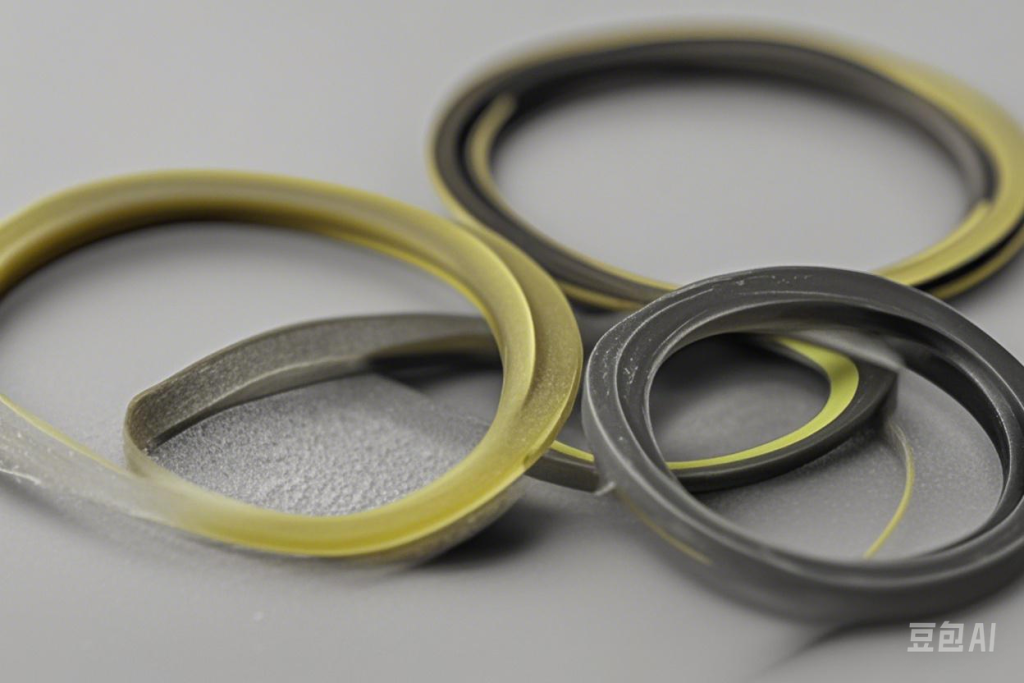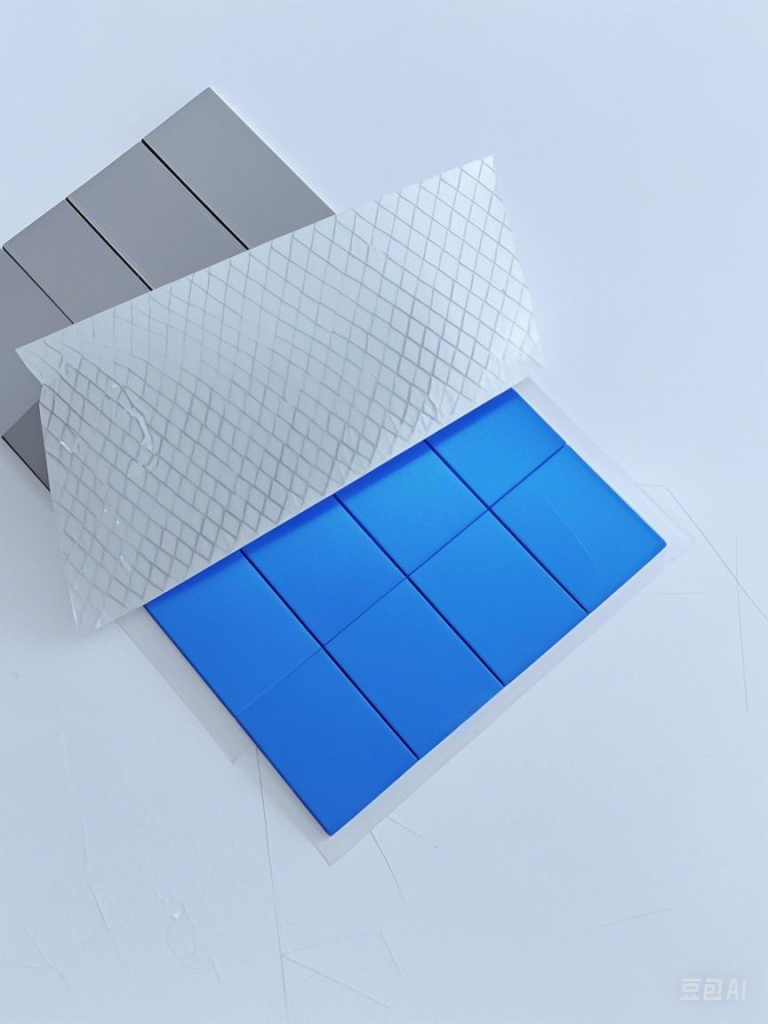
Beginning an piece offers information regarding dimethyl polysiloxane paired with current-carrying SR gaskets focused on RF suppression prevention.
Silicone elastomers are notably adopted across pliant uses by virtue of their notable longevity and molecular stability. Although, their built-in shortfall of charge transfer limits the utility in certain device-oriented implementations.
The embedding of conductive nanometric additives, especially silver incorporated inside the PDMS, establishes a collaborative effect forming a charge-transferring matrix supporting strong EMI blocking.
The presented methods provide systems to minimize detrimental electrical interference.
Safeguarding Electronic Parts: The Purpose of Siloxane Polymers and Electroconductive Pads
Dependable insulation of component segments is imperative in stringent circumstances. Siloxane Polymers, with their excellent adaptability and physical persistence, extends impressive wetness safeguard characteristics. Nonetheless in cases needing electronically active capability, electrically components, often crafted from current conducting mixtures, remain vital to curb electromagnetic noise and preserve robust running. This combination of Polymers together with charge transporting barriers makes a powerful approach in attaining sturdy work in modern systems.
Radio frequency Blocking Pads: Optimizing Capability by Electron transmission Silver-enhanced Rubber together with silicone base
{Effective electromagnetic interference shielding gaskets represent fundamental for covering sensitive hardware tools and installations from unwanted broadcast delivered noise. Leading designs often feature a integration of conductive Silicone Silicone compound and Silicone elastomer to secure optimal effectiveness. Conductive SR provides superior electrical conductivity, assuring a robust electrical network for reducing problematic signals. Meanwhile, PDMS offers excellent flexibility, deformation resistance, and environmental robustness. Detailed material picking and stacking techniques, such as a svelte layer of SR within a PDMS matrix, elevate both shielding functionality and sustained reliability.
- Weigh assorted material compositions relying on situation specifications
- Ensure sufficient encapsulation pressure for regular contact
- Evaluate components consistently to verify results
This synergistic approach yields in EMI membranes that produce exceptional protection and longevity.
Dimethyl polysiloxane Electroconductive SR Closures: Securing Electronics from Interference
Regarding important electrical parts, radio frequency clutter might demonstrate adverse effects, bringing into disruptions and details loss. Dimethyl polysiloxane metallic silver-based rubber seals afford a consistent option through supplying an optimal screen versus analogous impediments. The interfaces, generally constructed consisting of silicone compound infused with electron-conductive fillers, form effective low-impedance route into return path, absorbing EMC along with communications band noise radiation. An conformable configuration permits reliable durable seal including across nonuniform facets, permitting them optimal within operations covering therapeutic tools, telecom infrastructure, as well as diverse factory locales. Applying special Silicone polymer current carrying silver-based rubber barrier constitutes safe forward-looking technique intended for guarantee framework firmness alongside support running dependability.
Improving Digital Device Sealing with Silicone Elastomer-Based Electromagnetic Interference Shielding
Powerful system module shielding presents a key obstacle in modern creation due to expanding radio frequency disturbance. Poly-dimethylsiloxane supplies a innovative strategy when paired with conductive elements to produce strong EMI shielding platforms. This approach not only boosts device productivity but also decreases a likelihood of decline causing from external electrical noise issues.
Electrical Conductivity SR Optimization in PDMS Interfaces for Enhanced EMI Attenuation
Innovative seals fabricated from polydimethylsiloxane (PDMS), incorporating electrically-active fillers, prove significantly improved mitigation performance against electromagnetic interference (EMI). The joining of elements like carbon nanotube nanotubes or nickel grains provides a pathway for energy transmission conduction, thereby creating a more sturdy electromagnetic barrier. This electronically conductive increase in gasket effectiveness is critical for sensitive electronic units requiring exceptional EMI defense in various environments. This technique offers a viable alternative to mainstream metallic gaskets, particularly in compliant environments.
Determining the Right EMI Protection Gasket: PDMS vs. Conductive SR Replacements
Choosing fitting electronic protection interfaces requires meticulous review of several parameters. Regularly, metallic Silicone Rubber (Silicone elastomer) has been a typical variant; however, Poly Silicone polymer (Polymer silicone) emerges as a workable variant, specifically where squashing levels are confined or composition agreement is crucial. Siloxane compound presents superior suppleness and is capable of withstand precise allowances, even though sustaining notable mitigation performance.
State-of-the-art Wrapping Frameworks: Dimethyl polysiloxane, Electrically conductive Silver rubber, and Digital equipment Security
Breakthrough enclosure frameworks are notably indispensable for securing key electronic Conductive SR components. Polydimethylsiloxane, with its remarkable pliability and material immunity, provides excellent environmental covers. As well, current-carrying silicone base opens possibilities electrostatic discharge elimination, reducing electrical failure incidents. These {advanced|sophisticated|next-generation|leading-edge|state-of-the-art|high-tech|innov