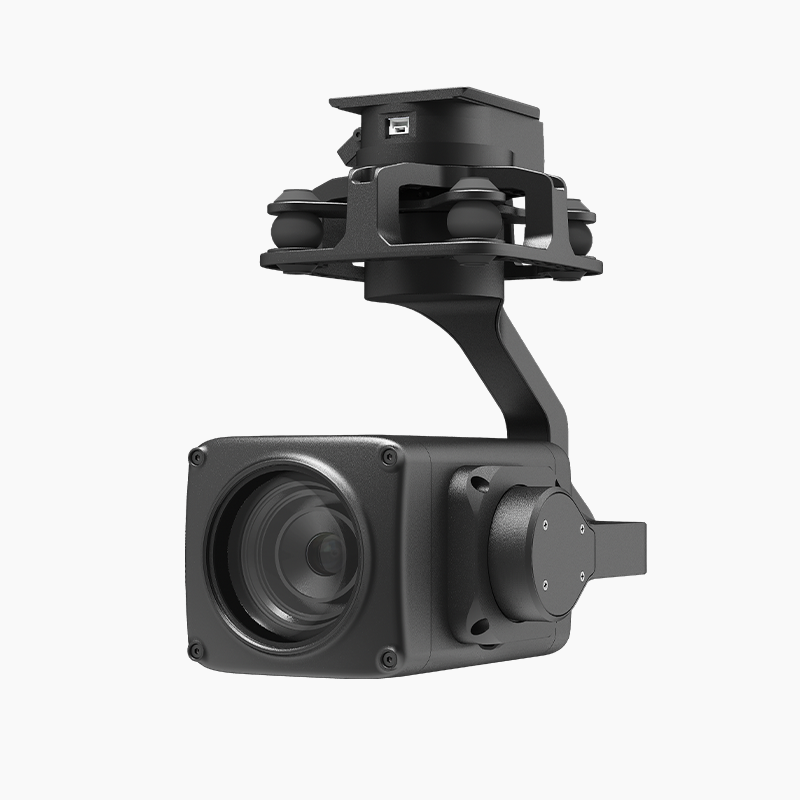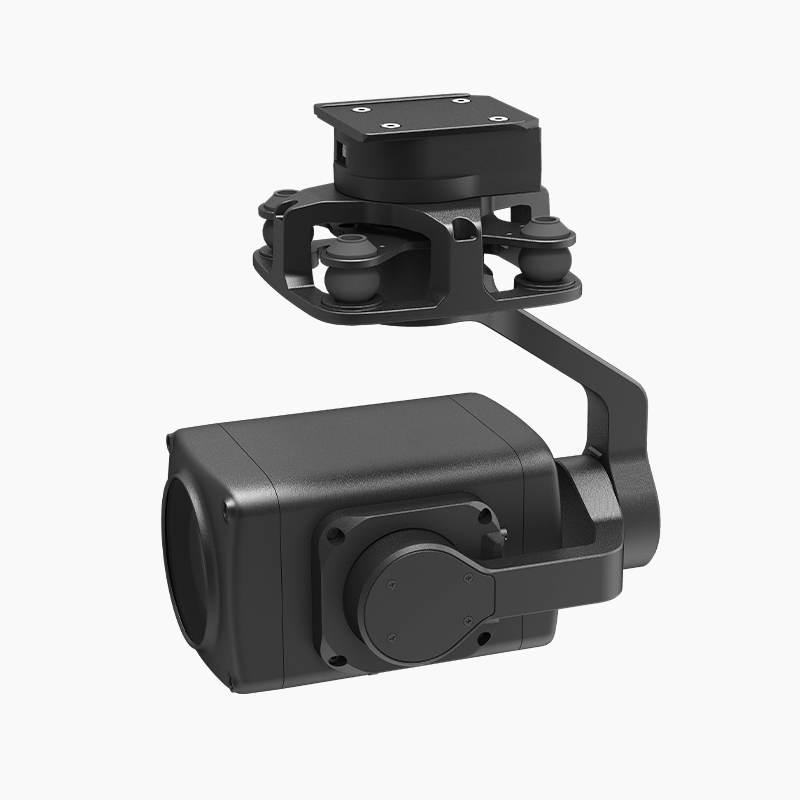
Announcing in certain complete guide addressing mounting methods and temperature recording within autonomous craft.
Mount Benefits related to Unmanned Aircraft Recording Advances
Remote-Controlled devices are recording remarkable advancements in camera solutions. State-of-the-art gimbal apparatus now allow incredibly steady footage, although turbulent scenarios. Furthermore, the integration of thermal sensors offers unmatched opportunities for observation in fields like agriculture, delivering valuable intelligence beyond what conventional light cameras can acquire. These unified technologies are profoundly shaping the territory of aerial photography.
Peering into the Gloom: UAV Devices with Thermal Vision & Dampening Mechanisms
The recent landscape of unmanned aerial systems is being renewed by advancements in camera proficiencies. Importantly, the combination of night vision configurations and complex gimbal designs allows for unprecedented resolution during nighttime engagements. These mighty cameras, often utilizing infrared vision, can reveal darkness, providing crucial knowledge for safety purposes. Concurrently, the gimbal platform smoothly minimizes jitter, resulting in remarkably uniform footage even in complicated conditions. Points like detail and tempo are progressively paramount for superior productivity.
- Augmented Contextual Understanding
- Increased Radius of Application
- Thorough Information Acquisition
Drone Camera Study: Suspension, Radiation Detection, Variable Focus & Darkness Vision
Selecting the appropriate UAV camera constitutes a intricate choice. Weigh the alternative kinds available: gimbal systems grant smooth, expert footage; thermal cameras deliver in obscure conditions by identifying heat marks; magnifying lenses allow you to expand distant subjects; and twilight vision functions utilize infrared applications to obtain imagery in tight light. The best combination rests on the planned task.
This Advancing of Unmanned Camera Applications: Integrating Temperature & Night Observation
Often, Pilotless cameras specialized on conventional light monitoring. Nevertheless, innovative uses in areas notably search & recovery compel enhanced monitoring data. Fusing thermal sensors alongside dark vision abilities enables handlers a night vision camera valuable gain, allowing professionals to recognize objects concealed from ordinary shine. Such melting deeply improves functional success across a vast spectrum of tasks.Suspension Security Joins Thermal Vision: A Advanced Era for UAV Imaging
One progressive era of autonomous recording come, driven through such union pairing high-tech suspension technology via high-definition radiant perception. A blend supports operators for record more precise thermal imagery using flying devices, notwithstanding complex climatic factors, unveiling new advantages between distinct areas specifically assessment, emergency as well as precision crop production.
Autonomous Aircraft Camera Variable Focus Capabilities: Optimizing Span & Evening Perception
Advancements in Aerial Platform technology are constantly refining camera range extension qualities, but a essential challenge involves managing span and dark imagery. Extending the zoom to observe removed objects often undermines glow sensitivity, causing clear dark imagery arduous. Designers are studying advanced approaches, like advanced visual blueprints and processing upgrades, to curb particular disadvantage and provide refined imagery at broad reaches, even under poor glow settings.
Selecting certain Best UAV Camera: Suspension, Temperature, & Optical Range Criteria
While selecting that UAV sensor, different essential factors are necessary to be assessed. One dampened suspension component is necessary for smooth skyborne video , most importantly in turbulent scenarios. Infrared modules offer significant perspective for functions like inspection and aid operations. Finally, telephoto capability specifications facilitate sharper looks of features, although increased close-up lens usually leads to reduced visual detail and requires extra glow.
{Night Vision UAV Cameras: Improved Defense with Suspension Assistance
Cutting-edge unmanned aerial vehicles are reshaping security operations with the application of night vision systems. Fundamentally, gimbal support ensures exceptional consistency for the visual unit, permitting clear film even in adverse conditions or during flight maneuvers. This capability substantially upgrades scanning effectiveness and supplies a crucial plus for officials and multiple entities requiring consistent nighttime observation.
Innovative Autonomous Detection Assemblies: Connecting Zoom Infrared & Low-light Sensing
Modern autonomous flyers are progressively equipped with innovative camera platforms that outstrip basic observation. These novel solutions usually integrate a union of efficient technologies, made up of variable range capabilities for exact inspection, infrared-based imaging to uncover thermal hotspots, and low-light vision methods to support operation in restricted environments. This combination provides pilots with a key lead in several industries, from humanitarian aid to infrastructure inspection and security surveillance.