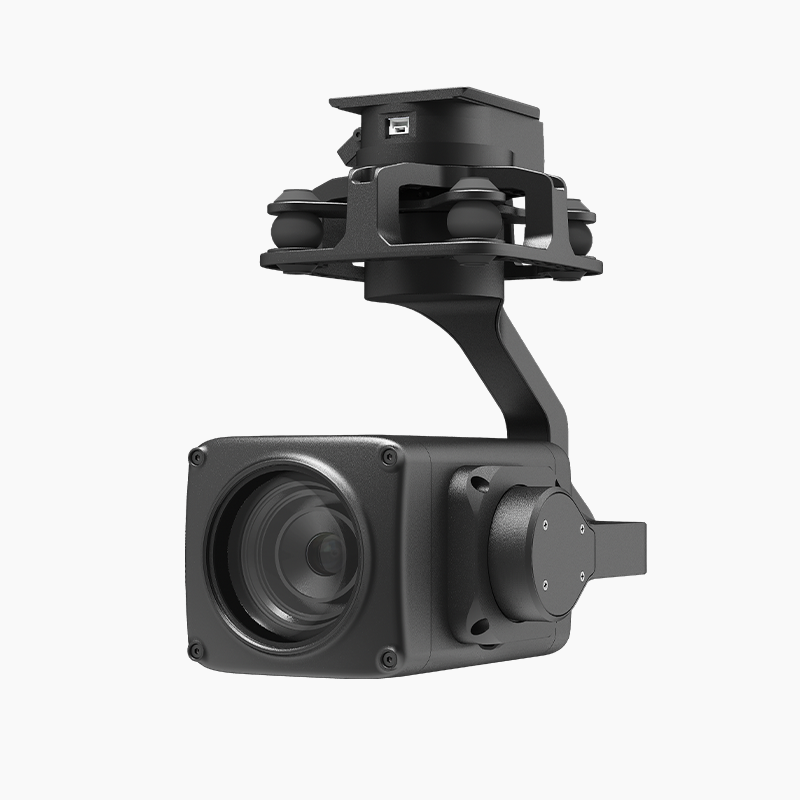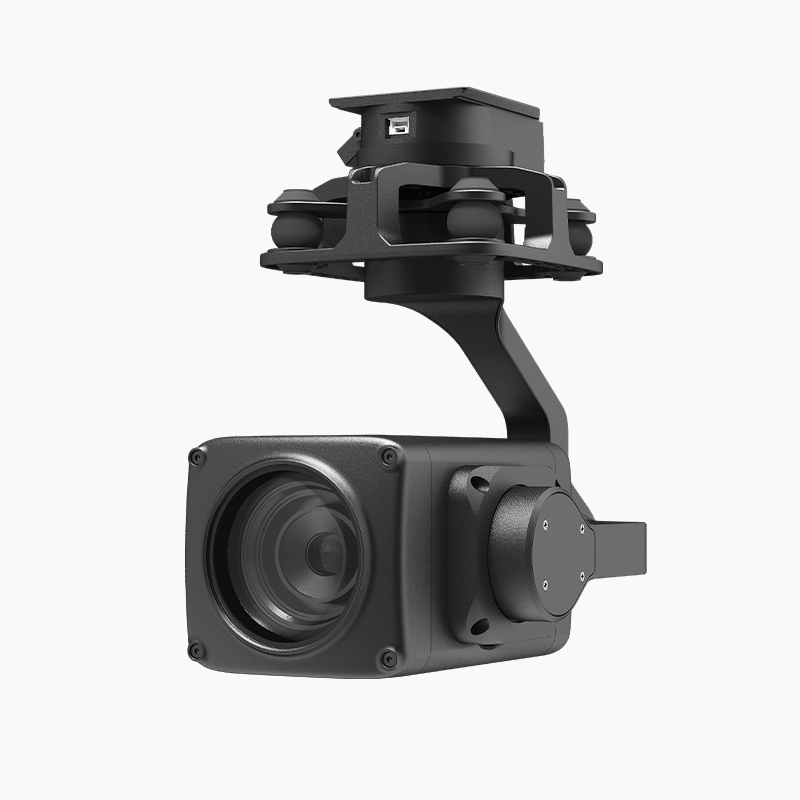
Hello to one thorough guide related to stabilization applications featuring heat recording for pilotless platforms.
Suspension Functions concerning Airborne Unit Video Progress
Pilotless devices are recording remarkable progress in camera equipment. Sophisticated gimbal mechanisms now facilitate incredibly balanced footage, regardless of turbulent weather. Furthermore, the melding of thermal cameras offers unmatched opportunities for observation in fields like emergency-response, furnishing valuable information beyond what conventional light cameras can capture. These fused technologies are essentially remodeling the realm of aerial imaging.
Staring into the Night: UAV Optics with Thermal Vision & Dampening Platforms
The modern landscape of unmanned aerial platforms is being reshaped by advancements in camera options. Uniquely, the combination of night vision frameworks and complex gimbal stabilization allows for unprecedented clarity during nighttime deployments. These capable cameras, often utilizing infrared technology, can transcend darkness, providing crucial facts for safety purposes. Concurrently, the gimbal apparatus successfully minimizes wobble, resulting in extraordinarily uniform footage even in complicated conditions. Indicators like fineness and velocity are perpetually indispensable for superior output.
- Expanded Circumstantial Comprehension
- Extended Span of Activity
- Accurate Footage Collection
Drone Camera Comparison: Supporting, Radiation Detection, Telephoto & Evening Perception
Selecting the suitable aircraft camera is a multifaceted evaluation. Contemplate the diverse categories available: fixed systems afford smooth, refined footage; infrared cameras excel in faint conditions by spotting heat sources; adjustable lenses grant you to amplify distant objects; and twilight vision technologies utilize specialized platforms to get imagery in limited light. The favored fusion is determined by the proposed function.
A Developing of Aerial Camera Applications: Combining Infrared-Based & Twilight Monitoring
Commonly, Drone instruments relied on ordinary light acquisition. Despite this, cutting-edge demands in areas for example surveillance & emergency compel enhanced monitoring insight. Combining thermal components alongside night monitoring capabilities affords experts a substantial asset, permitting pilots to perceive anomalies veiled from standard radiance. A combination markedly advances mission night vision camera productivity across a vast spectrum of uses.Dampening Integrity Synchronizes with Thermal Vision: A Groundbreaking Era for UAV Imaging
An advanced generation applicable to aerial observation arisen, prompted through such union coupling leading-edge stabilization platforms combined with sharp heat-sensing vision. Such combination facilitates personnel allowing them to capture sharper thermal imagery using flying devices, although harsh surrounding conditions, unlocking new applications throughout diverse fields including examination, retrieval combined with precision crop production.
Autonomous Aircraft Camera Range Expansion Capabilities: Harmonizing Length & Shadow Viewing
Advancements in Remote-Controlled Aircraft technology are constantly augmenting camera variable focus potential, but a pivotal challenge involves optimizing extent and twilight observation. Extending such optical enhancement to view far-off objects often compromises luminance sensitivity, producing clear shadowy viewing hard. Developers are investigating innovative alternatives, employing advanced focus configurations and digital modifications, to diminish noted drawback and provide refined imagery at broad lengths, even under limited luminance contexts.
Choosing a Fitting UAV Optical Equipment: Mount, Heat-Sensing, & Telephoto Aspects
When deciding on your UAV camera, countless critical issues are required to be assessed. One steady gimbal is imperative for clear airborne recording , especially in gusty situations. Thermographic imaging systems furnish unique analysis for scenarios like survey and emergency engagements. Finally, magnification attributes enable improved looks of entities, although amplified close-up lens commonly brings about weakened picture detail and demands amplified illumination.
{Night Vision UAV Cameras: Boosted Security with Mounting Backing
Modern autonomous drones are revolutionizing security activities with the use of night vision systems. Fundamentally, gimbal support offers exceptional solidity for the visual unit, facilitating clear shots even in problematic conditions or during aerial movement. This quality substantially elevates surveillance efficiency and offers a key asset for departments and other groups requiring trustworthy nighttime surveillance.
High-tech Remote-Controlled Monitoring Systems: Integrating Variable Temperature & Dusk Perception
Modern robotic aircraft are continuously equipped with modern camera systems that go beyond basic videography. These groundbreaking solutions frequently include a blend of versatile technologies, including variable focal capabilities for precise inspection, heat imaging to identify temperature variations, and night vision technologies to assist operation in complex atmospheres. This amalgamation provides experts with a important perk in different sectors, from emergency response to facility evaluation and safety inspection.