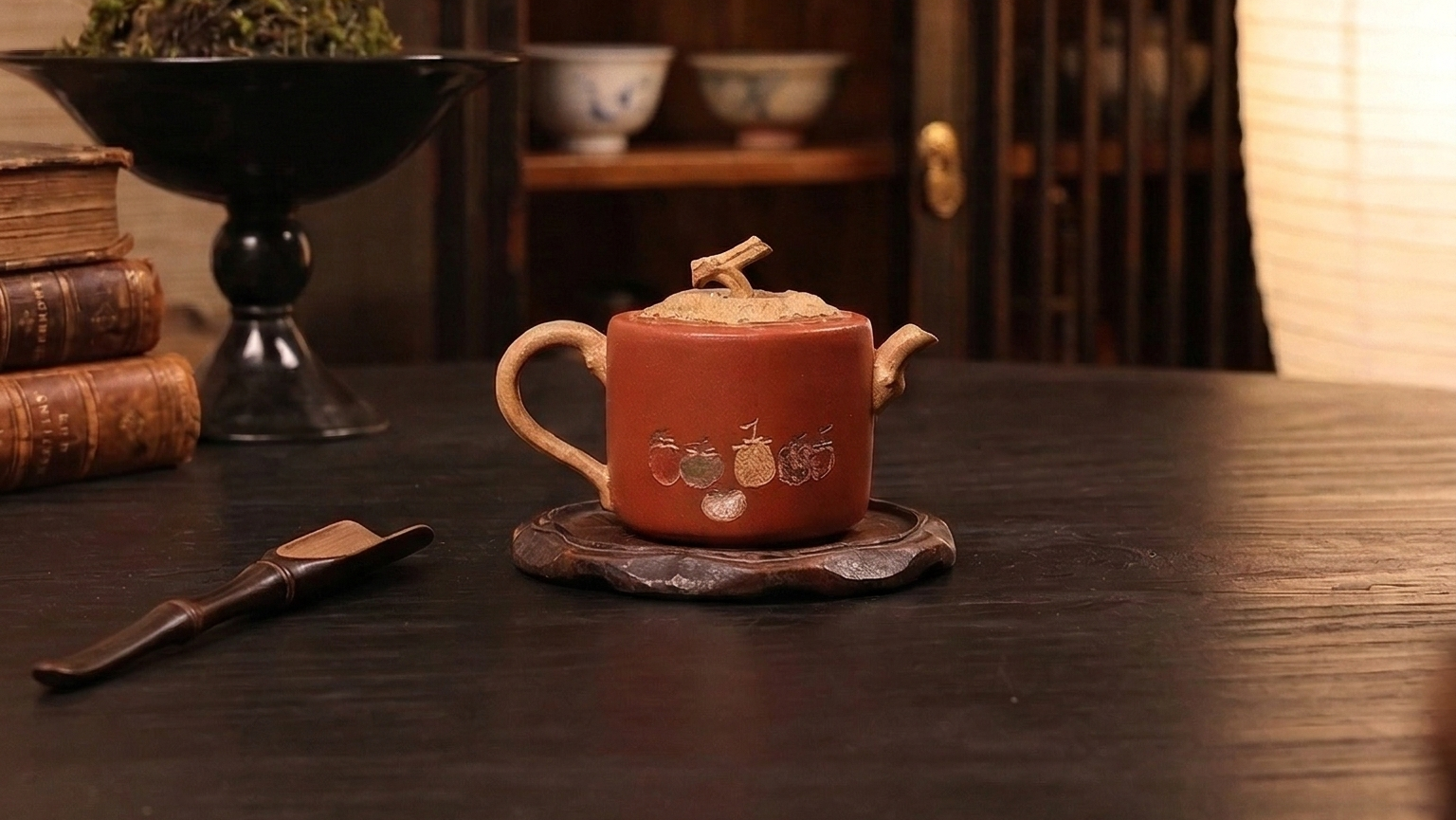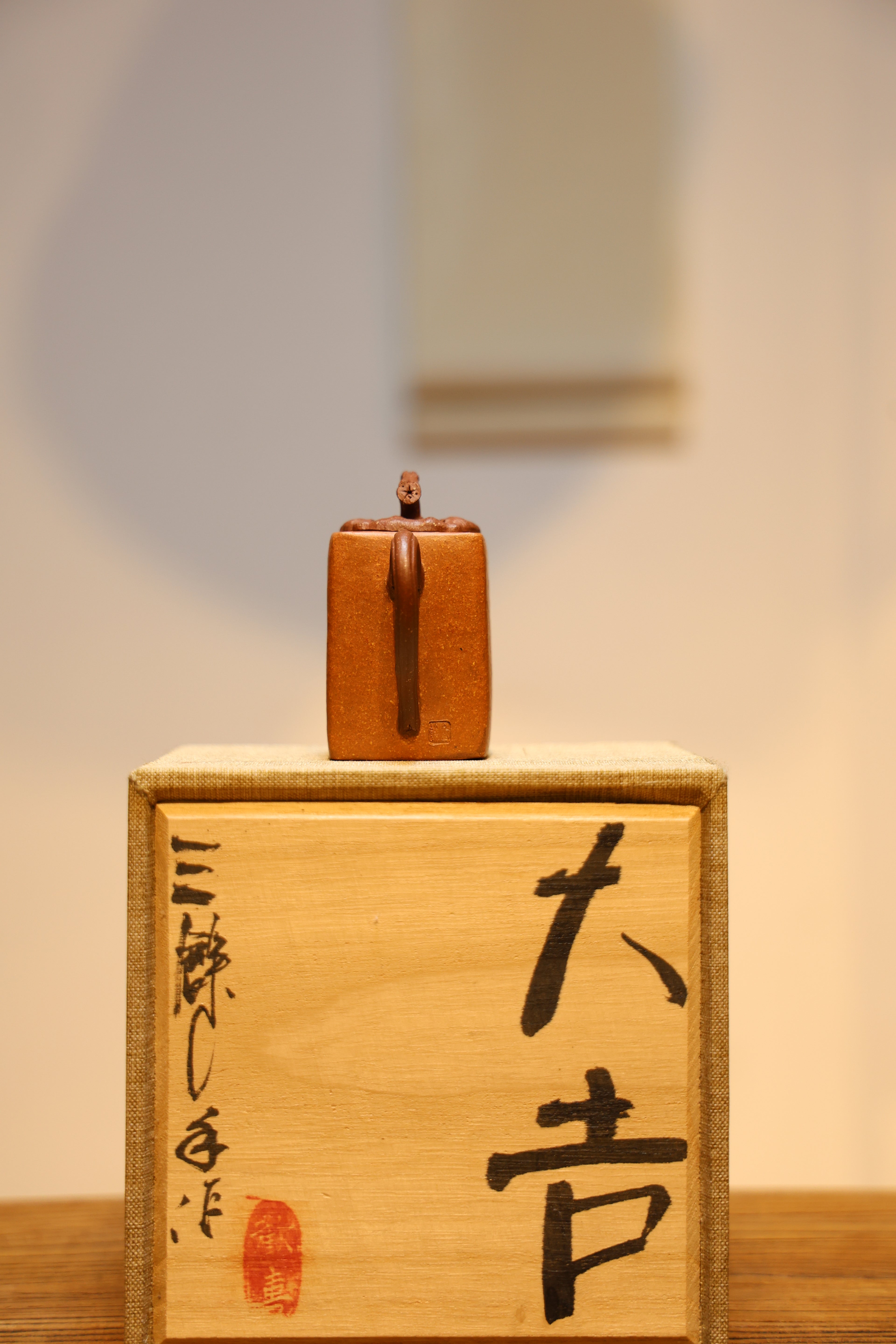
Across the expanse of historic epochs,
Within eras, gatherers have been mesmerized by the singular charm of Yixing Zisha containers. Originating from the district of Yixing in Jiangsu, these pieces are renowned for their outstanding beauty, infrequent clay, and innate ability to boost the essence of the concoction. The ground's distinctive auburn hue, combined with the proficient production of environmental fabricators, creates artworks that are at once functional productions and costly valuables. Purchasing a Zisha teapot is more than just every purchase; it's adopting a rich legacy heritage.
Unraveling Yixing Teapots: Evolution, Categories, and Importance
The Yixing teapots represent a rich background deeply intertwined with Chinese culture. Starting in the Yixing region of Jiangsu province, these clay vessels feature a heritage tracing back to the Ming Dynasty. Primary examples were functional, but across centuries, Yixing teapot craftsmanship evolved into an esteemed art form. The clay itself, known for its unique porosity and ability to refine the flavor of the tea, lasts a defining factor. Yixing teapots manifest in various designs, broadly categorized by shape: Traditional such as Zhuni (purple clay) and Bisheng, as well as custom designs. The esteem of a Yixing teapot rests on several factors, including the potter’s name, the Zisha Teapot age of the piece, the rarity of the clay, and its aesthetic appeal.- Account: Old ages
- Earth: Bisheng
- Value Factors: Potter’s reputation
Mastering Zisha: Procedures and Makers
The assembly of a real Zisha teapot is a intricate process, requiring extensive times of practice. Master artisans meticulously select the premier Zisha clay, a rare earth found only in specific regions of China. Classic techniques, often conveyed through families, involve exacting shaping, fine carving, and gradual firing in ancient calcining chambers. The ultimate teapot isn't merely a object; it's a testament to innovative vision and the deep connection between the creator and their heritage. Each creation showcases the personal touch of the creator, resulting in a truly unique work of creation.
Chinese Earthenware: Exploring the Extensive Traditions of the Yixing Locality
Yixing, placed in Jiangsu Province, is universally renowned for its exceptional culinary pots – a tangible representation of centuries of Chinese culture. These aren't merely vessels for creating tea; they are intricate works of artistry, often reflecting spiritual ideals. A unique purple clay, known as Zisha, possesses exceptional qualities: the compound dense, diffusive, and imparts a subtle character to the tea.
- Diverse tribes have honed the techniques of Yixing ceramic making, passing down time-honored methods through successions.
- Aficionados prize these pieces for their loveliness and rareness.
- Every container tells a account, connecting the drinker to a rich history.
Exploring Yixing Zisha: What to Look For
As examining get Yixing Zisha earthen pots, multiple elements warrant careful evaluation. Primarily, the component's complexion is significant; authentic Zisha usually exhibits a characteristic rust-colored nuance. Besides, consider the handiwork; detailed details and a smooth finish suggest experienced creation. Ultimately, review the creator’s standing; well-known names obtain superior rates and often afford a secure yield.
Zisha Teapot Tea Brewing Mastery
Producing appetizing tea with a Zisha pitcher is more surpassing a simple technique; it's an science. Zisha clay, famous for its unique geological composition, imparts a delicate character to the brewed tea that’s often wanting with other devices. The appropriate water intensity is necessary; typically, softer than what's used for black tea, to maintain the tea's fragrance and zest. Consider mindfully the tea class; delicate green teas or aged pu-erhs gain from the Zisha’s ability to mellow their basic edge. It’s pivotal to heat the teapot in advance of brewing, and to prevent over-steeping. Mastering this art leads to a factually exceptional tea moment.
- Comprehending Zisha Clay
- Water Temperature & Type of Brew
- Necessity of Preheating
Protecting Your This Kettle
To ensure prolong the longevity of your esteemed Yixing vessel, ongoing servicing is truly key. Avoid using detergent; instead, non-aggressively rinse it with tepid water. Dodge significant swings; please don't situate the container directly onto a hot base. Periodically, season the jar by steeping it with superior dark drink, as this contributes to boost its flavor and conserves the distinctive characteristics of the material.
Relating to Earthenware to Goblet: The Journey of a Renowned Ceramic
This creation of a Zisha teapot is a extraordinary method, a evidence to both the earth's bounty and the craft of the handworker. It commences with the thorough extraction of the unique clay from the magenta Zisha mines by Yixing. This unfired material, known for its extraordinary peculiarities, is then slowly washed and arranged for the initial forming. The jar’s profile is expertly made using a fusion of longstanding wheel throwing processes, often incorporating fancy enhancements. Following curing, the container undergoes a fundamental first firing, subsequent by a surface treatment stage, which might involve various layers of genuine Zisha overlays. Finally, a second, and sometimes third, firing at maximum temperatures brings the work, revealing its conclusive beauty and extraordinary characteristics - a bona fide masterpiece, arranged to grace a tea ritual.
{Yixing Teapots: A Embodiment of the Civilization and Recognition
Famed Yixing teapots, originating from the acclaimed Yixing region of Jiangsu province, are far more than mere jars for brewing tea; they represent a profound aspect of Chinese customs. Made from distinctive purple clay – zisha – these remarkable teapots are highly treasured for their ability to complement the flavor of the tea and, crucially, for their loveliness. The record of Yixing teapot making spans centuries, and the talent involved is bequeathed through generations, making each teapot a craftwork that embodies heritage-bound techniques and a profound appreciation for the elegant pleasures in life.