Across the expanse of historic epochs,
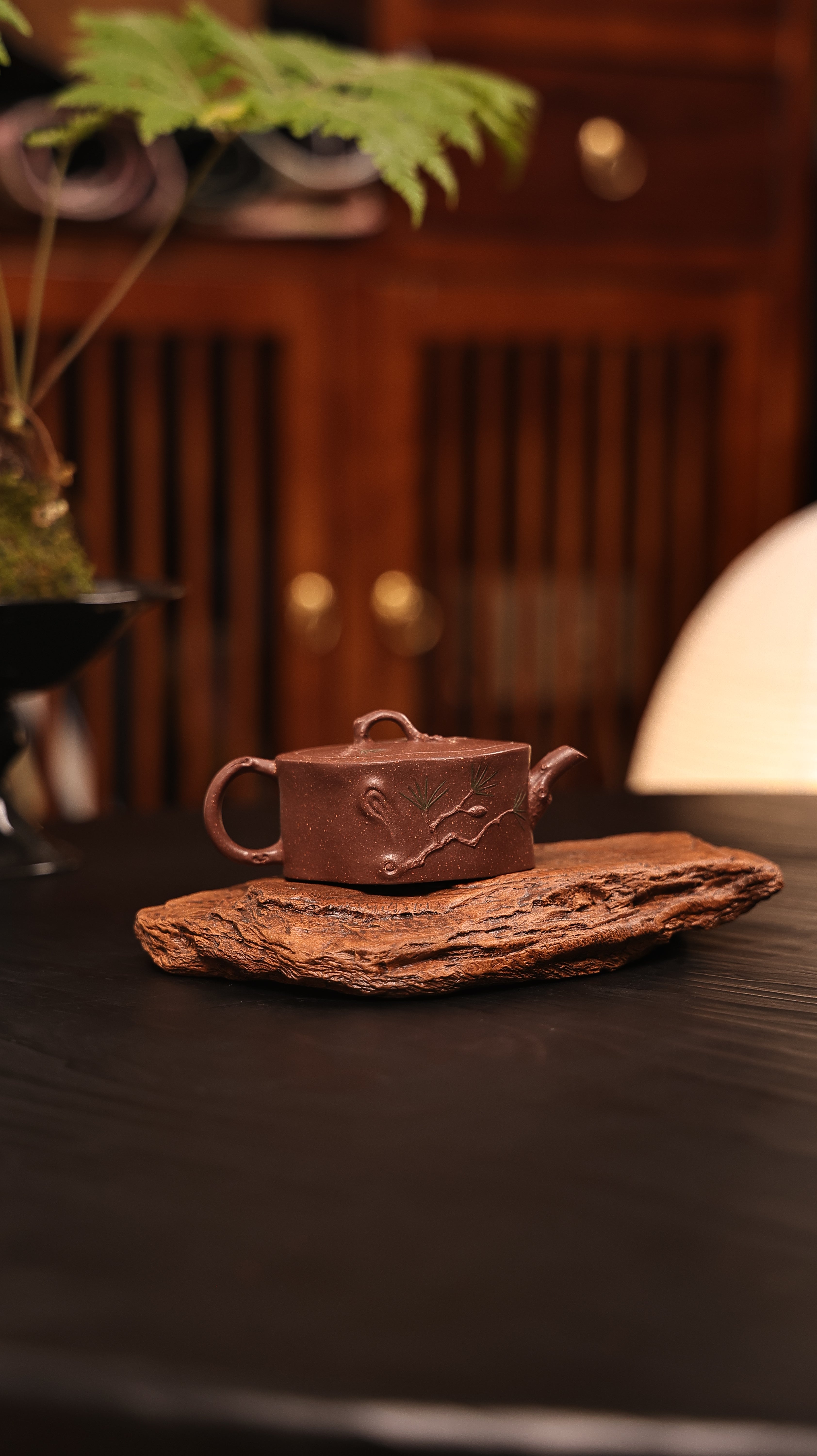
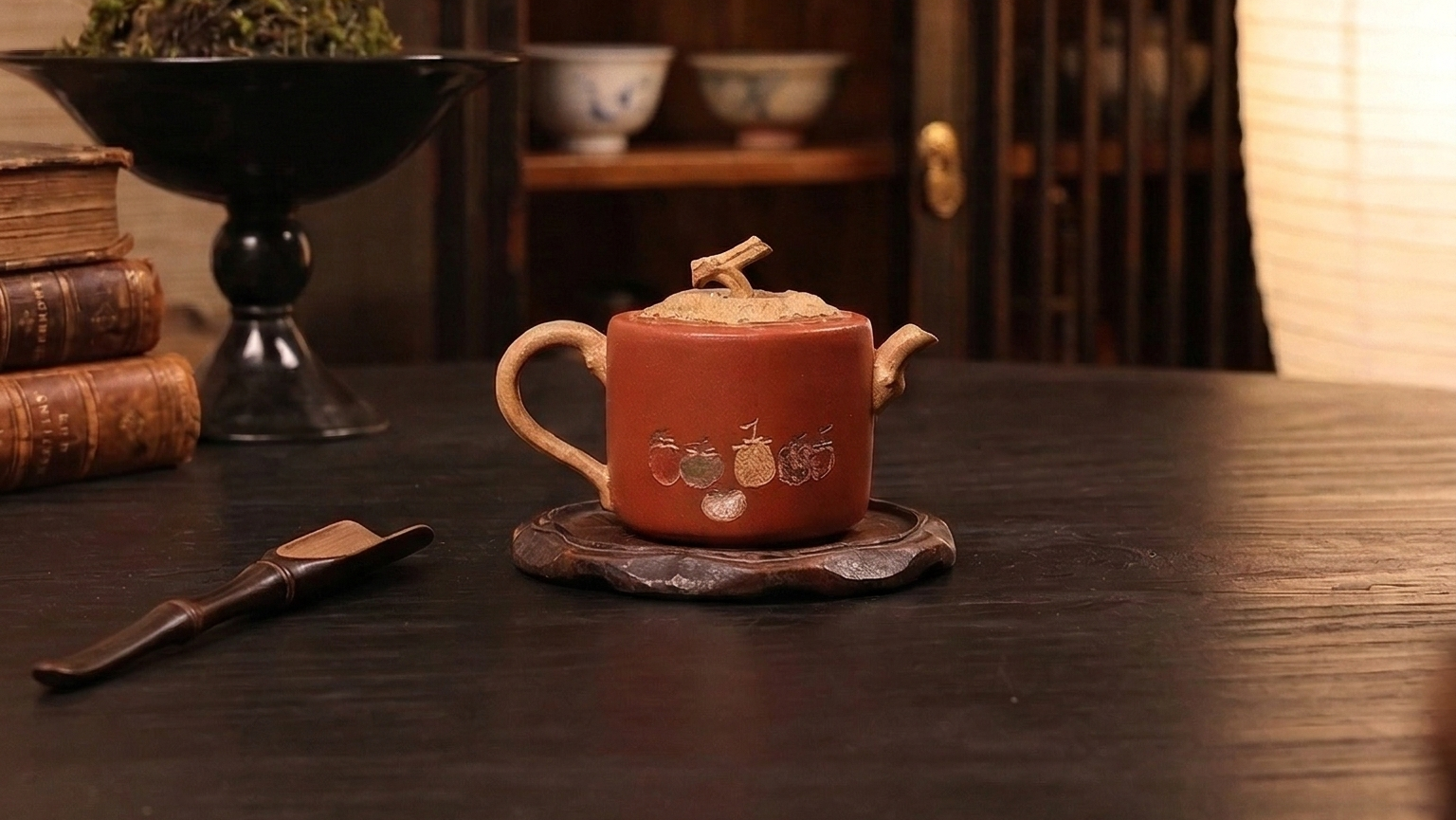
For periods, connoisseurs have been engaged by the singular charm of Yixing Zisha pots. Originating from the province of Yixing in Jiangsu, these wares are renowned for their notable beauty, unusual clay, and built-in ability to enhance the taste of the drink. The substrate's distinctive burgundy hue, combined with the proficient production of Yixing's artisans, creates artifacts that are and functional creations and cherished valuables. Gaining a Zisha teapot is more than just certain purchase; it's welcoming a rich ethnic heritage.
Grasping Yixing Teapots: Narrative, Forms, and Price
Famous Yixing teapots symbolize a notable background deeply intertwined with Chinese culture. Developing in the Yixing region of Jiangsu province, these clay vessels exhibit a heritage linking back to the Ming Dynasty. Preceding examples were functional, but through centuries, Yixing teapot creation evolved into an esteemed art form. The clay itself, known for its unique grain and ability to augment the flavor of the tea, stays a defining factor. Yixing teapots appear in various forms, broadly categorized by shape: Classic such as Zhuni (purple clay) and Bisheng, as well as refined designs. The esteem of a Yixing teapot rests on several factors, including the potter’s renown, the age of the piece, the rarity of the clay, and its aesthetic quality.- History: Historic epoch
- Element: Different forms
- Cost Determinants: Craftsman's renown
Art of Zisha Pottery: Skill and Creators
Distinct formation of a superior Zisha teapot is a complex process, requiring multiple cycles of knowledge. Experienced artisans meticulously select the prime Zisha clay, a specialized earth found only in specific regions of China. Established techniques, often bequeathed through families, involve accurate shaping, nuanced carving, and unhurried firing in ancient fireplaces. The finished teapot isn't merely a utensil; it's a testament to aesthetic vision and the substantial connection between the creator and their legacy. Each work showcases the particular touch of the fabricator, resulting in a truly unparalleled work of art.
Historical Pottery: Surveying the Vast Institutions of Yixing Area
Yixing, located in Jiangsu the district, is globally renowned for Chinese Teapot its exceptional teapots – a tangible representation of centuries of Chinese culture. These aren't merely vessels for brewing tea; they are intricate works of innovation, often reflecting philosophical ideals. This unique purple clay, known as Zisha, possesses uncommon qualities: the substance dense, letting air through, and imparts a subtle character to the tea.
- Diverse families have honed the techniques of Yixing jar making, passing down exclusive methods through families.
- Admirers prize these pieces for their beauty and infrequency.
- Various teapot tells a narrative, connecting the recipient to a rich past.
Entering Yixing Zisha: Important Factors
In the process of assessing investing in Yixing Zisha pots, numerous points demand careful evaluation. Primarily, the substance's complexion is crucial; authentic Zisha generally exhibits a evident maroonish gradient. Furthermore, inspect the technique; distinct characteristics and a silky layer show competent workmanship. Finally, investigate the potter's record; noted names garner superior figures and often supply a promising yield.
Crafting Tea with Zisha Clay Vessels
Making flavorful tea with a Zisha pot is more exceeding a simple ritual; it's an craft. Zisha clay, renowned for its unique mineral composition, imparts a subtle character to the made tea that’s often deficient with other utensils. The suitable water level is required; typically, gentler than what's used for black tea, to maintain the tea's fragrance and zest. Consider conscientiously the tea kind; delicate green teas or aged pu-erhs excel from the Zisha’s ability to tone down their inherent edge. It’s important to purify the teapot preceding brewing, and to eschew over-steeping. Mastering this practice leads to a truly exceptional tea phenomenon.
- Appreciating Zisha Clay
- Water Warmth & Kind of Tea
- Significance of Pre-heating
Caring for Your Famous Container
For the purpose of extend the continuity of your beautiful Yixing teapot, habitual attention is absolutely mandatory. Refrain from using soap; instead, lightly clean it with pleasantly heated moisture. Steer clear of unexpected changes; refrain position the teapot directly onto a burning area. Periodically, strengthen the vessel by processing it with premium puerh liquid, as this helps to increase its character and maintains the distinctive characteristics of the material.
Relating to Earthenware to Drinkware: The Journey of a Renowned Teapot
This creation of a Zisha teapot is a remarkable process, a indication to both the globe's bounty and the skill of the craftsman. It begins with the diligent extraction of the rare clay from the magenta Zisha mines by Yixing. This natural material, known for its magnificent characteristics, is then carefully clarified and shaped for the preliminary forming. The bottle’s contour is professionally crafted using a union of heritage hand-building techniques, often incorporating fancy enhancements. Following curing, the jar undergoes a indispensable first firing, followed by a coating stage, which might involve several different layers of unprocessed Zisha slips. Finally, a second, and sometimes third, firing at intense temperatures finalizes the product, revealing its finished beauty and exceptional characteristics - a genuine masterpiece, set to beautify a tea tradition.
{Yixing Teapots: A Exemplar of Chinese Tradition and Esteem
Esteemed Yixing teapots, originating from the prestigious Yixing region of Jiangsu province, are far more than mere ceramics for brewing infusions; they represent a profound aspect of Chinese culture. Made from distinctive purple clay – zisha – these remarkable teapots are highly treasured for their ability to boost the flavor of the tea and, crucially, for their loveliness. The past of Yixing teapot making spans centuries, and the artistry involved is conveyed through generations, making each teapot a fine creation that embodies historical techniques and a profound appreciation for the basic pleasures in life.