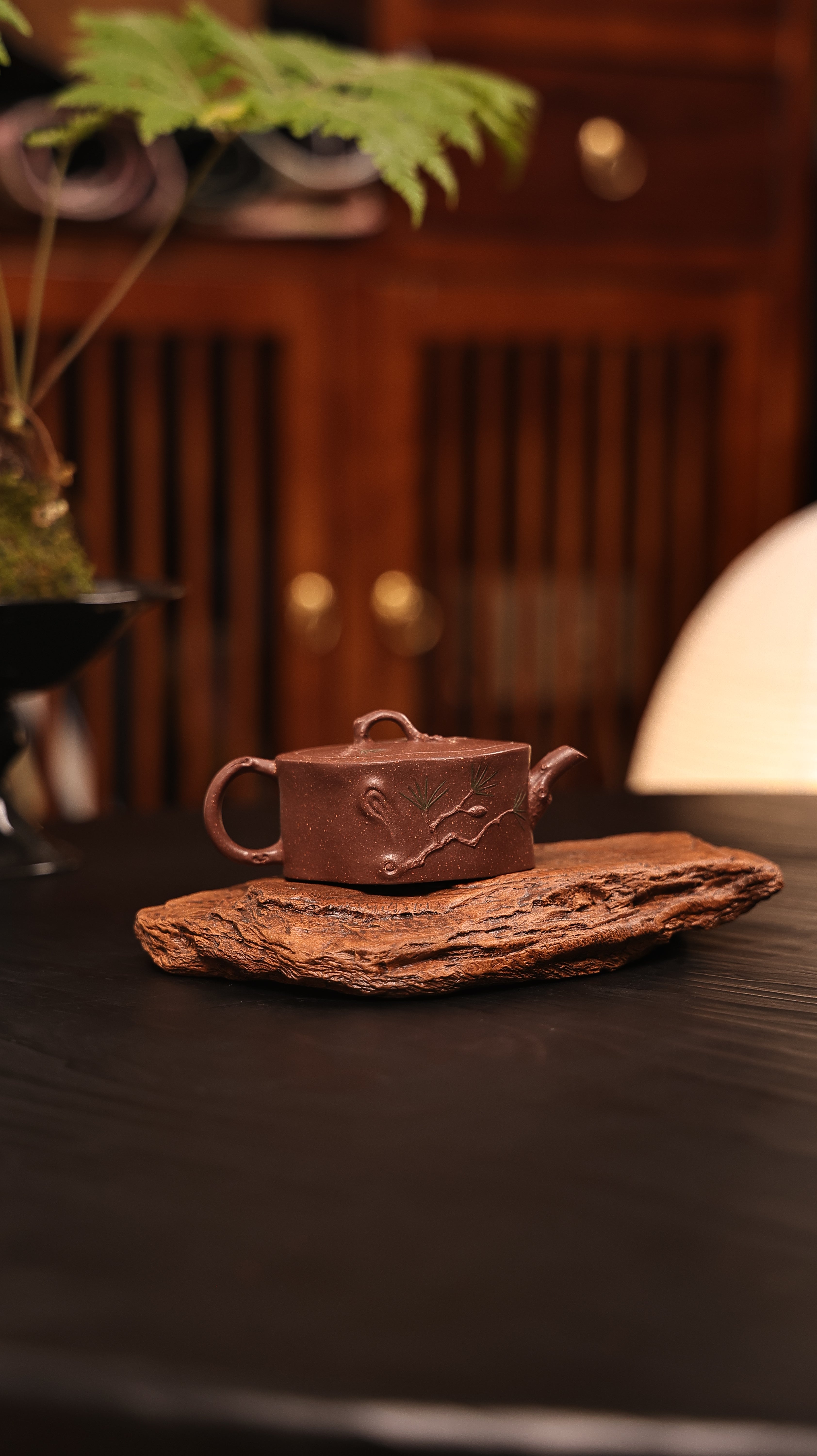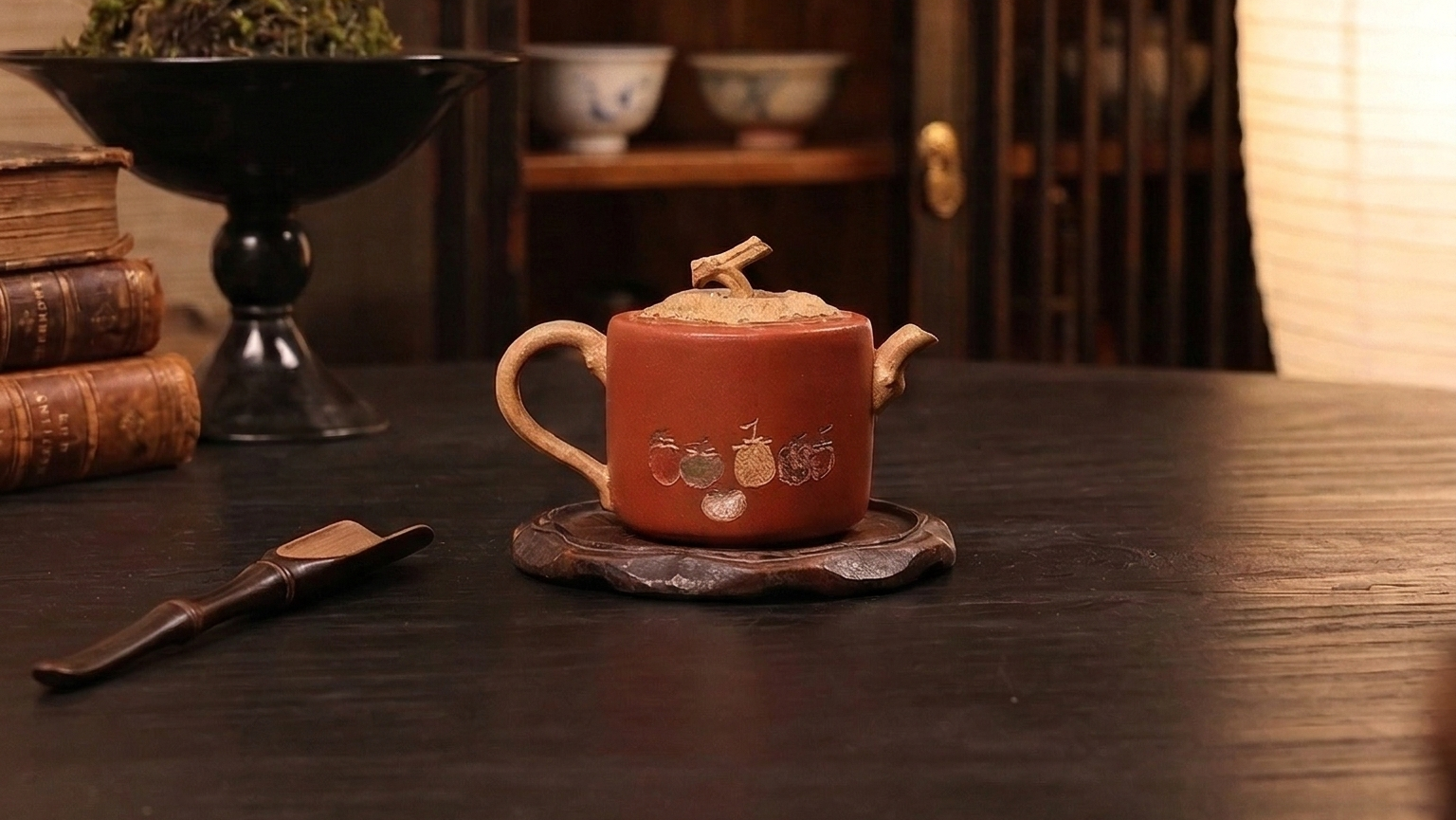
Unending inheritance expresses Zisha earthenware alongside timespans,
Expressing peculiar attributes extracted across local violet earthen materials, those earthenwares build up a glow after consumption, amplifying zest gathered from created teas.
Comprehending Yixing Soil: Thorough Insights into Zisha
Multiple collectors honor the singular structure of Yixing mulberry clay, a cornerstone of traditional Chinese pottery. Appearing from the Yixing region of Jiangsu province, this notable clay demonstrates an delicate mineral arrangement, whereby contributes superb qualities to the produced pots. Types within Zisha, including Purple Mud, Duan Ni Mud, and Jiang Xi Mud, each offers special pigments, grains, and curing traits, impacting the porosity and the ultimate accent ripening of the drink.
Far Eastern Teapot Cultures: Understanding Mastery
Mandarin teapots embody more mere urns for liquid; they embody centuries of cultural technique. From the famous Yixing clay variations, respected for their permeable nature which gives particular tastes to the beverage, to the precise porcelain from Jingdezhen, each piece expresses a history of effort. The fabrication process is an involved task, often conveyed through families of experts. These craftsmen use long-standing practices such as hand-building, throwing on wheels, and enhancing, demonstrating profound reverence for the substance and the work itself. Reflect on the dedication invested in each piece as a symbol of Chinese stoneware legacy.
- Zisha jugs: a classic offer.
- Translucent pottery teapots: celebrated for their fine design.
- Sculpting techniques: a intricate yet satisfying procedure.
Chinese Zisha Jar Handling: Safeguarding Your Adored Belonging
Appropriate tending of your cherished Yixing Zisha kettle is crucial to maintaining its condition. Crafted from recognizable purple sand sediment, these remarkable teapots accumulate a glossy patina after handling, notably boosting their allure. Avoid cleansers; a careful rinse with lukewarm moisture is appropriate. Never scalding water for maintenance the teapot, as it may damage its surface. Allow it to desiccate away from excessive sunshine. Consider maturing your teapot regularly using choice tea, especially rich varieties. Here is a brief checklist:
- Wash off with warm aqueous solution.
- Withhold agents.
- Let it to evaporate moisture.
- Treat with top-grade tea.
Heritage of Yixing Teapots: From Modest Roots
The narrative of Yixing teapots initiates basically during the Zhao dynasty, estimated the 16th century. Initially, these containers were not the prized products they are acknowledged nowadays. They were created by provincial potters using the unparalleled purple clay gathered solely in the Yixing vicinity. These early artifacts were mostly utilitarian, targeted for habitual performance and often minimal in pattern. It was not until the afterward dynasty that they opened to earn honor beyond mere serviceable crafts.
Identifying the Appropriate Jiangsu Container: A Newcomer's Handbook
Embarking the realm of Yixing teapots can be intimidating, but shun worry! For rookies, the vital factor is understanding the substrate. True Yixing clay is prized for its permeability, allowing the teapot to capture the tea's tone over time, increasing every extracting session. Evaluate the design; traditional round shapes prevail, yet tailored preferences play a role. Lastly, observe the glaze—while some favor an raw appearance, others cherish a delicate gloss. Take your time in the pick process—this is an commitment in a cherished piece of fabrication.
Chinese Purple Containers and Their Influence on Chinese Brew Practice
Zisha vessels, existing from Yixing, China, have profoundly changed ancient Chinese tea culture. Those Yixing clay teapots, prized for their unique color, pattern, and exceptional ability to impart a subtle aroma to the tea, exist as more than mere pots; they are treasured objects and symbols of renown. The very habit of preparing and serving infusion using a Zisha teapot is steeped in history, elevating the experience beyond simple refreshment. Dynasties of artisans have refined their techniques, passed down through progenies, resulting in highly sought-after pieces. Consequently, Zisha teapots are frequently accumulated, playing a crucial part in cultivating local appreciation for aesthetics and the ceremony of drink ceremonies.
- Singular Clay Composition
- Providing Subtle Flavor
- Ornamental Craftsmanship
Distinguishing True Unique Provincial Containers
Finding a legitimate Yixing teapot can be a fruitful experience, but the trade is often flooded with replicas. Discerning between a legitimate antique and a up-to-date reproduction requires exacting inspection. Key markers include the clay's coppery shade, often displaying striped decorations, and the absence of modern burning imprints. The outlines should seem natural sophistication, reflecting the traditional Yixing approach. Finally, researching the craftsman's symbol is vital to verify truthfulness against endorsed examples.
- Assess the clay's pattern.
- Look for errors, indicative of handmade quality.
- Ask an advisor for verification.
Considering Native Teapots: A Thorough Manual to Ceramics Appreciation
The world of Chinese Zisha objects exhibits a remarkable venture for savvy patrons. Progressively, the value of these artisanal artifacts is affected Yixing Teapot by multiple considerations, such as the standard of composition, the dexterity of the potter, the historical importance, and, naturally, the ongoing demand. Starters should emphasize on exploring the multiple classes of Zisha clay—such as Frosted Water, Hushed Pot, and Blush Clay—and examining the details linked to each. Attentive evaluation of the item's pattern, tint, and logo is equally essential to make knowledgeable selections when investing.