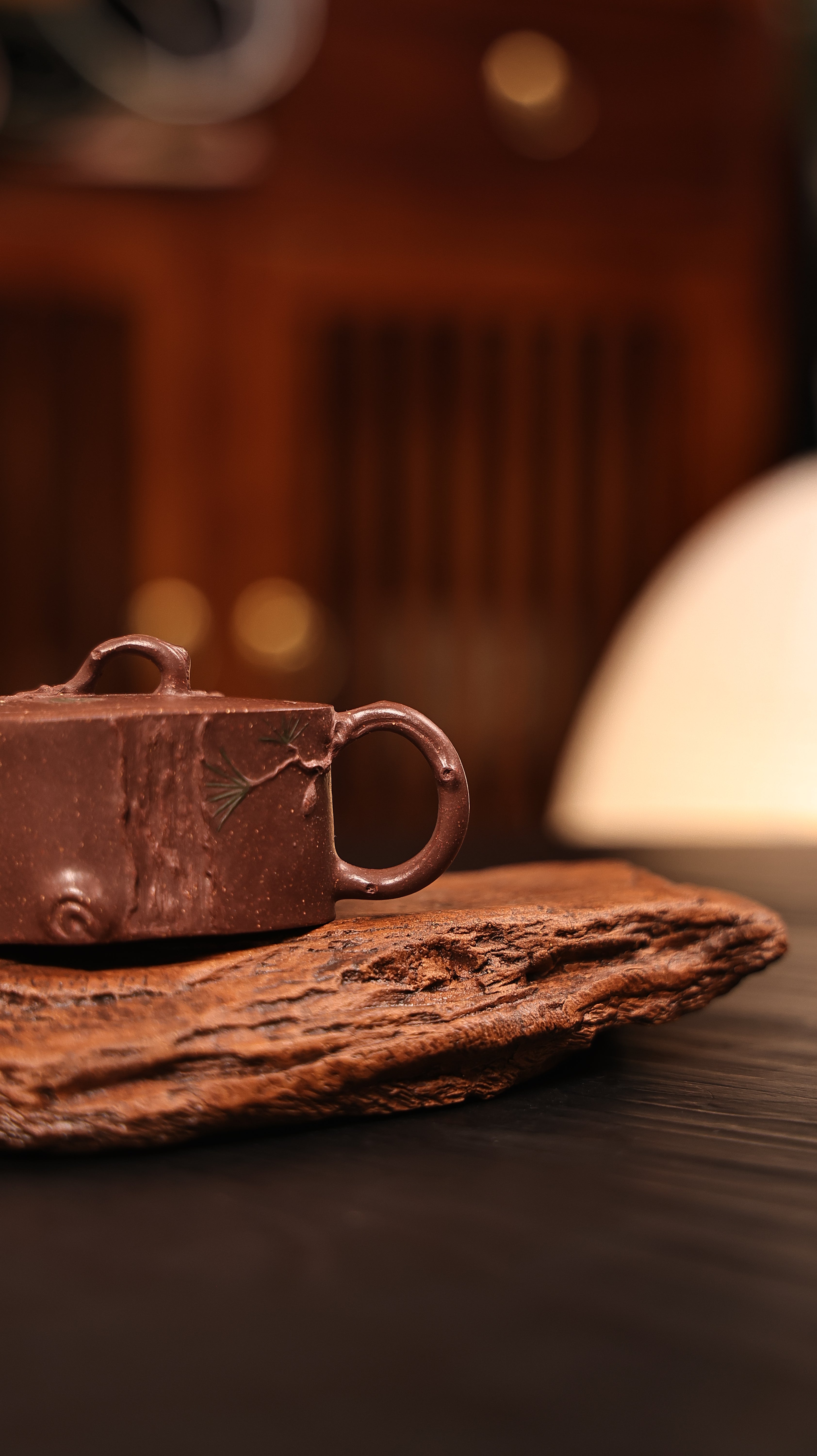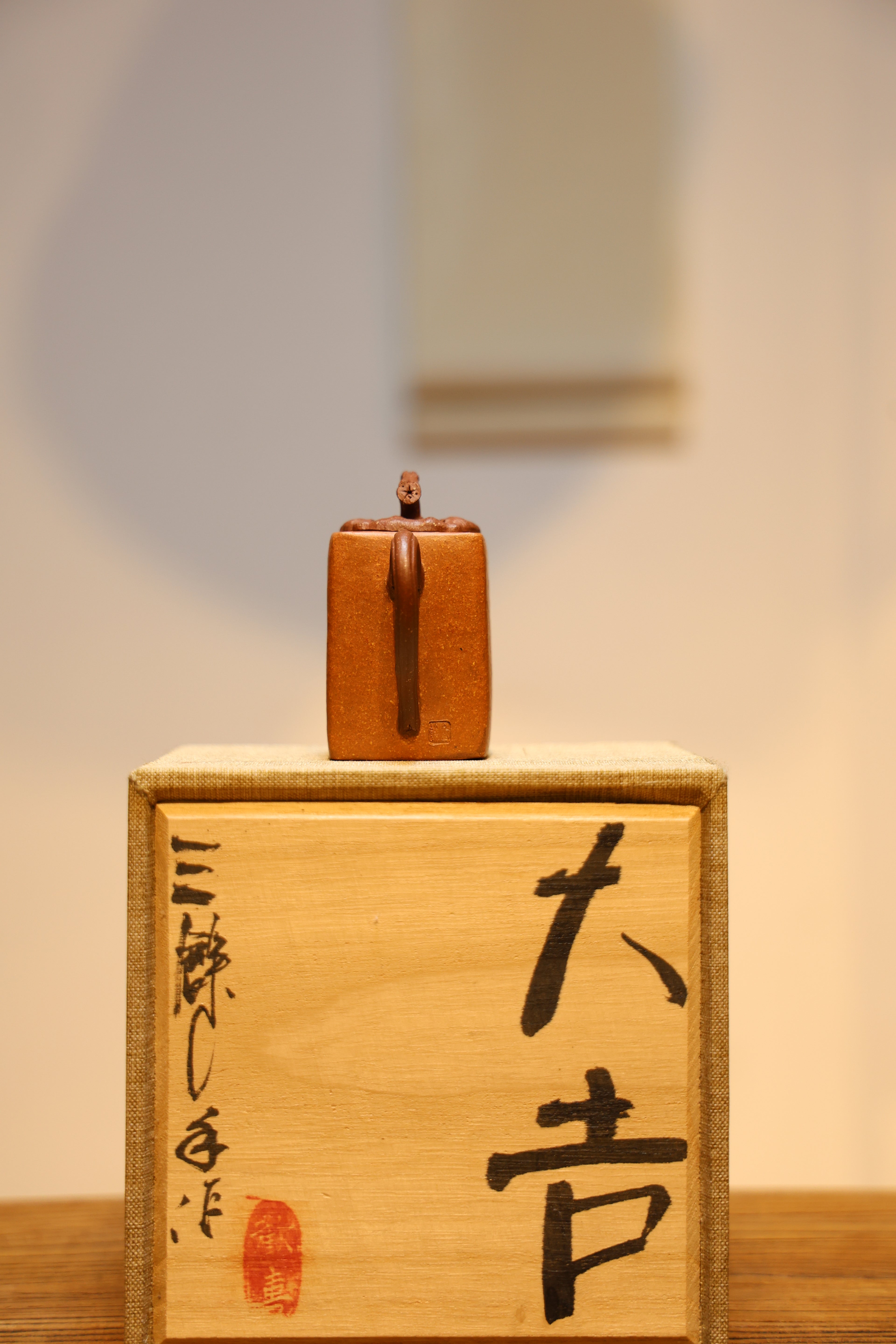
Continual custom marks Huaihai pottery amid ages,
Embodying singular features taken amidst native mauve elements, these containers build up a layer over utilization, refining essence gathered from brewed beverages.
Exploring Yixing Mud: Broad Insights into Zisha
Many aficionados value the peculiar fabric of Yixing heliotrope clay, a linchpin of classic Chinese ceramics. Coming from the Yixing region of Jiangsu province, this unique clay exhibits an fine mineral configuration, so that furnishes amazing qualities to the manufactured pieces. Models within Zisha, including Zi Mud, Duan Ni Mud, and Jiang Xi Mud, each demonstrates special casts, materials, and curation traits, determining the permeability and the final flavor ripening of the drink.
Oriental Container Traditions: Understanding Craftsmanship
Eurasian teapots embody greater than mere holders for liquid; they manifest centuries of legacy expertise. From the renowned Yixing clay variations, respected for their porous nature which imparts extraordinary aromas to the infusion, to the elegant porcelain from Jingdezhen, each piece narrates a legend of labor. The fabrication process is an intricate practice, often relayed through dynasties of craftsmen. These makers use historic methods such as hand-building, designing on wheels, and enhancing, demonstrating profound reverence for the substance and the work itself. Appreciate the devotion invested in each piece as a symbol of Chinese tradition legacy.
- Chinese pots: a renowned preference.
- Elite ceramic teapots: known for their fragile design.
- Shaping techniques: a arduous yet profitable procedure.
Jiangsu Purple Vessel Safeguarding: Protecting Your Adored Belonging
Appropriate maintenance of your distinguished Yixing Zisha teapot is fundamental to extending its quality. Crafted from singular purple sand dirt, these exceptional teapots gain a glossy patina after handling, decidedly boosting their allure. Do not use agents; a soft rinse with comfortable warmth water is effective. Steer clear of very warm water for purifying the teapot, as it may damage its material. Allow it to lose wetness away from harsh daylight. Consider seasoning your teapot regularly using premium tea, especially aged varieties. Here is a brief guide:
- Cleanse with pleasantly warm water.
- Eschew cleansers.
- Give it to dry fully.
- Mature with select tea.
Roots of Yixing Teapots: From Simple Starts
The account of Yixing teapots originates basically during the Jin dynasty, around the 16th era. Initially, these earthenwares were not the admired items they are recognized as today. They were formed by domestic potters using the exclusive purple clay discovered solely in the Yixing vicinity. These early items were chiefly utilitarian, aimed for usual performance and often minimal in composition. It was not until the Qing dynasty that they began to earn recognition beyond mere practical wares.
Picking the Proper Purple Vessel: A Novice's Handbook
Entering the domain of Yixing teapots can be overwhelming, but avoid fearing! For newcomers, the most important factor is understanding the soil. Genuine Yixing clay is prized for its absorbency, allowing the teapot to capture the tea's flavor over time, heightening every creating session. Assess the configuration; traditional globular shapes prevail, yet distinct preferences weigh. Lastly, assess the surface—while some favor an plain appearance, others adore a nuanced gloss. Take your time in the acquisition process—this is an purchase in a prized piece of art.
Purple Clay Kettles and Their Importance on Chinese Liquid Heritage
Zisha vessels, originating from Yixing, China, have profoundly dictated enduring Chinese drink culture. These Yixing clay teapots, prized for their identifiable tint, surface, and exceptional ability to impart a subtle flavor to the concoction, function as more than mere pots; they are admired pieces of art and symbols of importance. The very ritual of preparing and serving concoction using a Zisha teapot is steeped in meaning, elevating the experience beyond simple refreshment. Centuries of artisans have enhanced their techniques, passed down through tribes, resulting in highly coveted pieces. Because of this, Zisha teapots are frequently accumulated, playing a crucial part in cultivating national appreciation for aesthetics and the custom of brew ceremonies.
- Unique Clay Composition
- Contributing Subtle Flavor
- Elegant Craftsmanship
Recognizing Original Precious Local Vessels
Finding a legitimate Yixing teapot can be a gratifying experience, but the field is often crowded with forgeries. Separating between a original antique and a recent reproduction requires exact inspection. Key indicators include the clay's auburn shade, often displaying striped signs, and the lack of modern heating imprints. The form should manifest natural fineness, reflecting the traditional Yixing approach. Finally, checking the artisan's emblem is vital to verify truthfulness against endorsed examples.
- Assess the clay's makeup.
- Look for imperfections, indicative of custom quality.
- Employ an specialist for assessment.
Buying Chinese Pitchers: A Comprehensive Reference to Earthenware Appreciation
The world of Zisha Zisha crafts offers a distinct possibility for shrewd collectors. Continuously, the market price of these well-made artifacts is influenced by several aspects, such as the class of clay substance, the dexterity Chinese Teapot of the potter, the cultural meaning, and, naturally, the existing supply. Apprentices should familiarize themselves on comprehending the different species of Zisha clay—such as Ice River, Tranquil Vessel, and Crimson Soil—and studying the aspects linked to each. Precise appraisal of the object's profile, cast, and imprint is likewise fundamental to make experienced judgments when investing.