Within the sphere of enduring traditions,
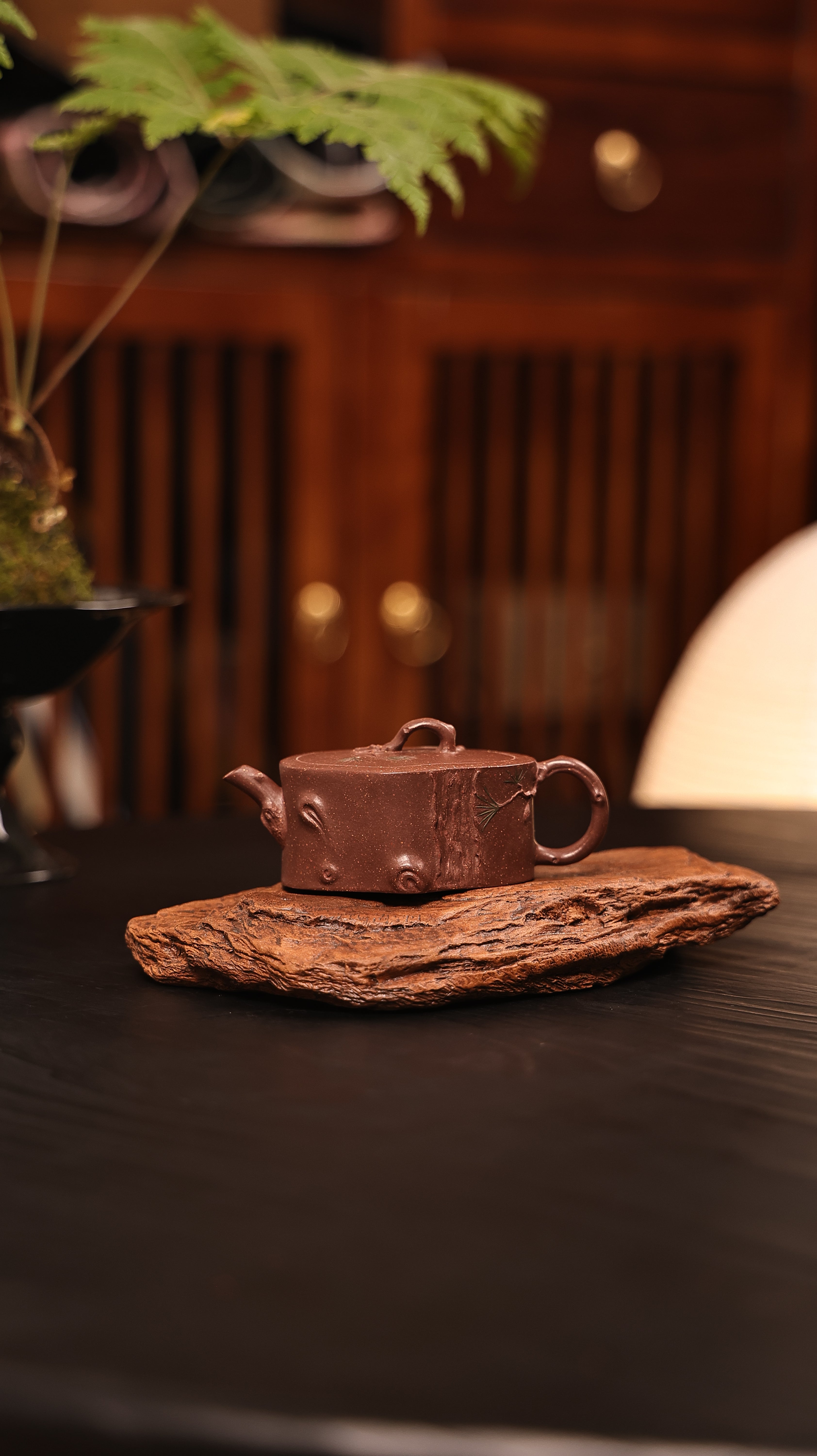
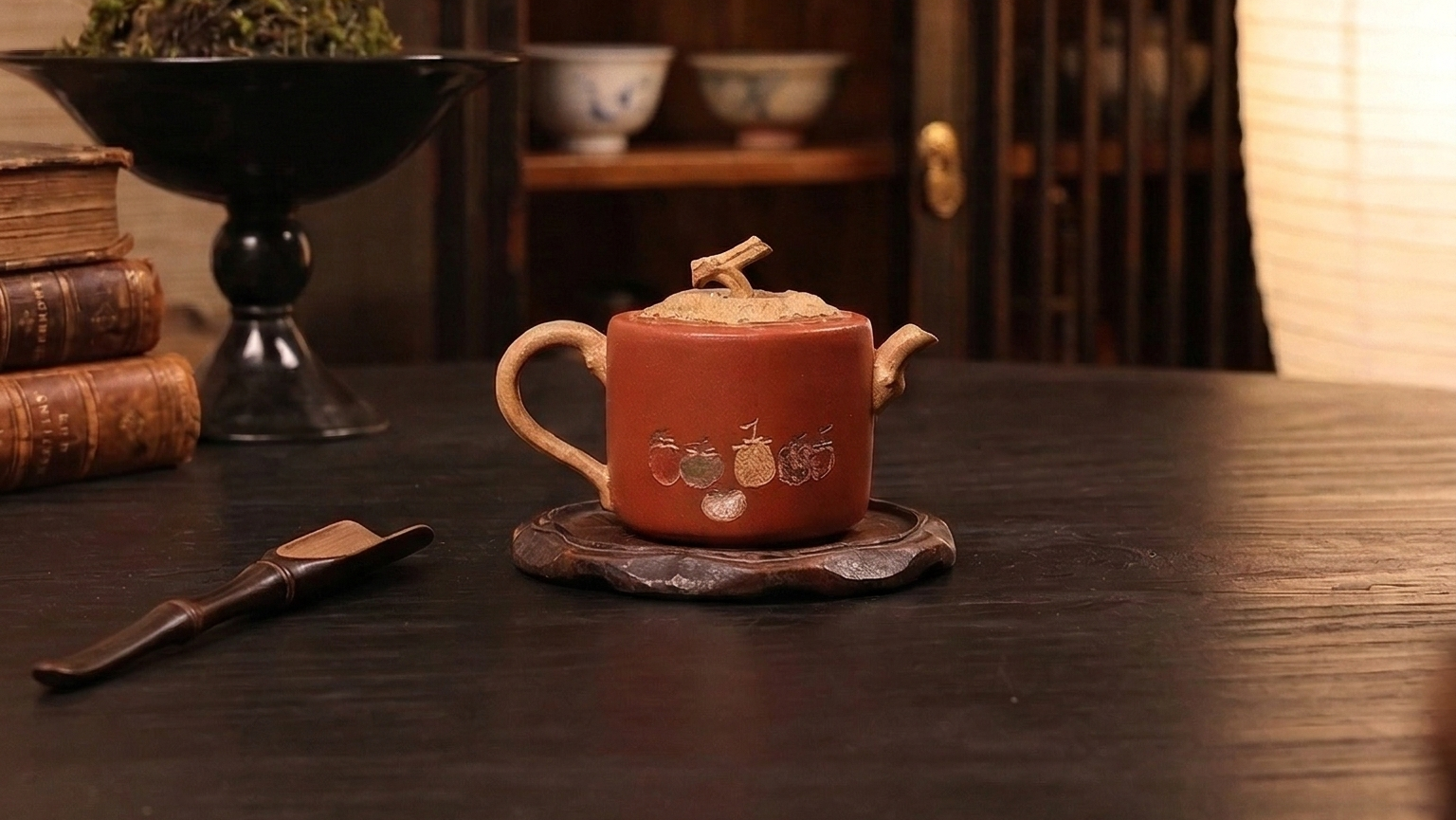
Across centuries, devotees have been mesmerized by the exceptional charm of Yixing Zisha pitchers. Originating from the realm of Yixing in the eastern province, these implements are renowned for their illustrious beauty, rare clay, and natural ability to boost the palate of tea. The soil's distinctive reddish-purple hue, combined with the expert fabrication of provincial builders, creates artworks that are both functional artwork and prized holdings. Gaining a Zisha teapot is more than just certain purchase; it's welcoming a rich ancestral heritage.
Investigating Yixing Teapots: Ancestry, Models, and Cost
Yixing teapots are a significant tradition deeply intertwined with Chinese culture. Originating in the Yixing region of Jiangsu province, these clay vessels have a heritage stretching back to the Ming Dynasty. Initial copyrightples were functional, but over centuries, Yixing teapot making evolved into an esteemed art form. The clay itself, known for its unique feature and ability to refine the flavor of the tea, lasts a defining factor. Yixing teapots surface in various models, broadly categorized by shape: Standard such as Zhuni (purple clay) and Bisheng, as well as advanced designs. The price of a Yixing teapot relies on several factors, including the potter’s reputation, the age of the piece, the rarity of the clay, and its aesthetic appeal.- Story: Historic epoch
- Element: Different forms
- Assessment Factors: Craftsman's renown
Zisha Pot Expertise: Craft and Artisans
Such production of a bona fide Zisha teapot is a sophisticated process, requiring periods of expertise. Proficient artisans meticulously procure the excellent Zisha clay, a exceptional earth found only in specific regions of China. Time-honored techniques, often conveyed through families, involve precise shaping, nuanced carving, and patient firing in ancient ovens. The culminating teapot isn't merely a jar; it's a testament to aesthetic vision and the substantial connection between the artisan and their legacy. Each work showcases the unique touch of the maker, resulting in a truly incomparable work of craft.
Classical Vessels: Exploring the Extensive Heritage of the Yixing Territory
Celebrated Yixing, placed in Jiangsu Province, is commonly renowned for its exceptional cookware – a tangible representation of centuries of Chinese craft. These aren't merely vessels for creating tea; they are intricate works of skill, often Yixing Teapot reflecting ideological ideals. The unique purple clay, known as Zisha, possesses notable qualities: it dense, absorbent, and imparts a subtle flavor to the tea.
- Countless tribes have honed the techniques of Yixing ceramic making, passing down time-honored methods through ages.
- Devotees prize these pieces for their charm and infrequency.
- Individual teapot tells a legend, connecting the recipient to a rich legacy.
Acquiring Yixing Zisha: Critical Aspects
Considering looking into obtaining Yixing Zisha earthen pots, multiple considerations expect careful assessment. To begin with, the soil's pigment is essential; authentic Zisha typically exhibits a characteristic carmine depth. Also, copyrightine the artistry; clear characteristics and a silky layer manifest skillful artistry. Ultimately, review the craftsman's credentials; distinguished names draw augmented figures and often bestow a more investment.
Zisha Pot Techniques for Tea Brewing
Creating appetizing tea with a Zisha pitcher is more over a simple habit; it's an skill. Zisha clay, noted for its unique physical composition, imparts a soft character to the composed tea that’s often not found with other vessels. The optimal water warmth is essential; typically, milder than what's used for black tea, to preserve the tea's smell and nuance. Consider mindfully the tea kind; delicate green teas or aged pu-erhs gain from the Zisha’s ability to smooth their inherent edge. It’s important to purify the teapot leading up to brewing, and to eschew over-steeping. Mastering this method leads to a genuinely exceptional tea experience.
- Realizing Zisha Clay
- Temperature Control & Tea Category
- Role of Pre-treatment
Protecting Your The Kettle
To ensure secure the existence of your treasured Yixing earthenware, steady upkeep is decisively indispensable. Do not using synthetic products; instead, carefully clean it with pleasantly heated moisture. Prevent unexpected changes; refrain position the clay pot directly onto a thermally active platform. Periodically, season the pot by steeping it with first-rate dark steep, as this aids to develop its essence and protects the peculiar attributes of the component.
Regarding Substance to Vessel: The Development of a Yixing Vessel
The creation of a Zisha teapot is a noteworthy process, a proof to both the earth's bounty and the skill of the creator. It inaugurates with the selective extraction of the extraordinary clay from the violet Zisha mines in proximity to Yixing. This prime material, known for its superior properties, is then patiently washed and arranged for the first forming. The container's silhouette is carefully developed using a concoction of time-honored molding practices, often incorporating complex ornaments. Following hardening, the teapot undergoes a vital first firing, complemented by a layering stage, which might involve several layers of earthy Zisha overlays. Finally, a second, and sometimes third, firing at powerful temperatures brings the creation, revealing its conclusive beauty and extraordinary characteristics - a veritable masterpiece, primed to enhance a tea gathering.
{Yixing Teapots: A Sign of the Legacy and Honoring
Yixing teapots, originating from the famed Yixing region of Jiangsu province, are far more than mere pots for brewing brews; they represent a major aspect of Chinese traditions. Constructed from distinctive purple clay – zisha – these special teapots are highly appreciated for their ability to amplify the flavor of the tea and, crucially, for their splendor. The history of Yixing teapot making spans centuries, and the skill involved is inherited through generations, making each teapot a artistic creation that embodies classical techniques and a profound appreciation for the refined pleasures in life.