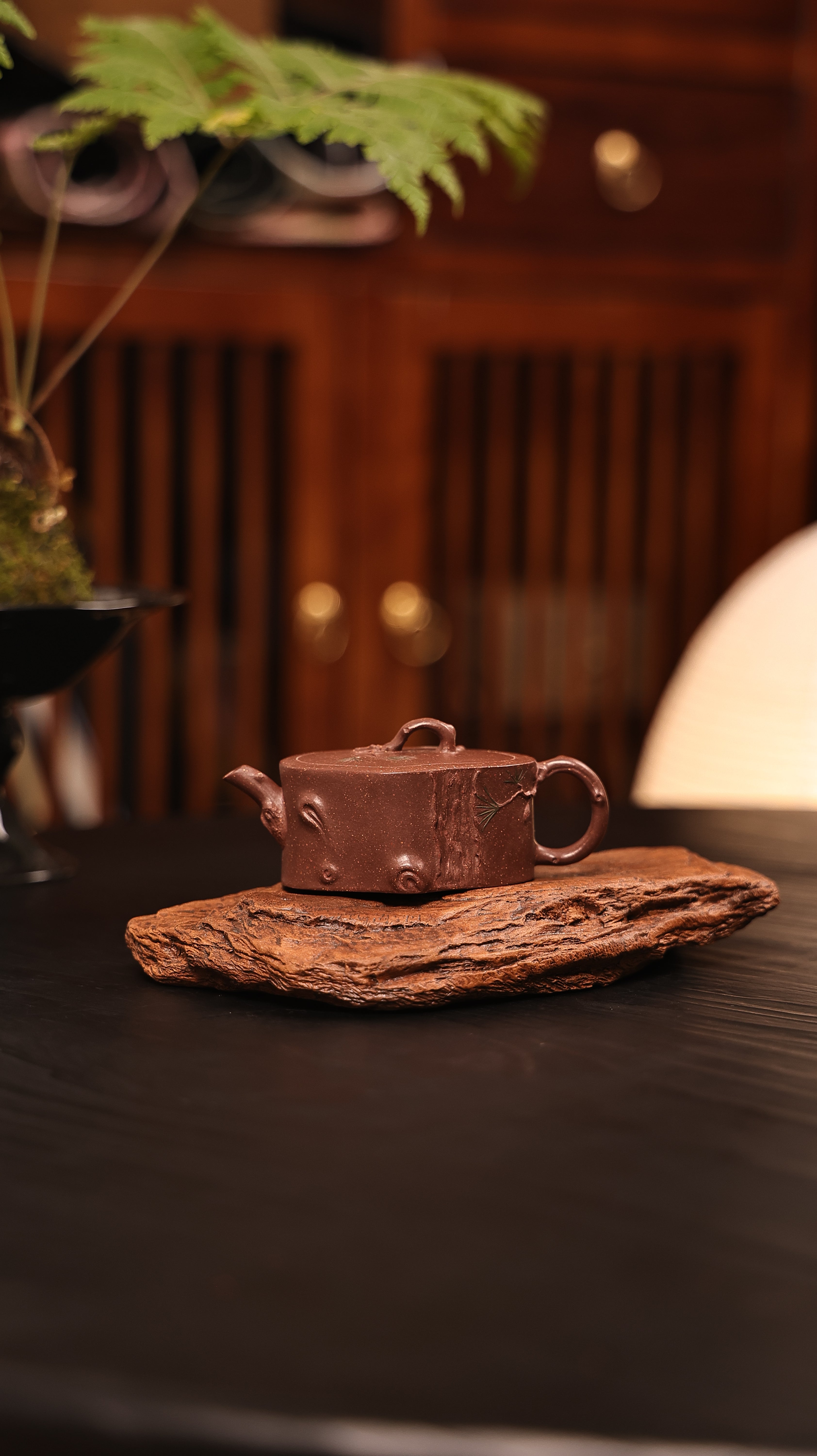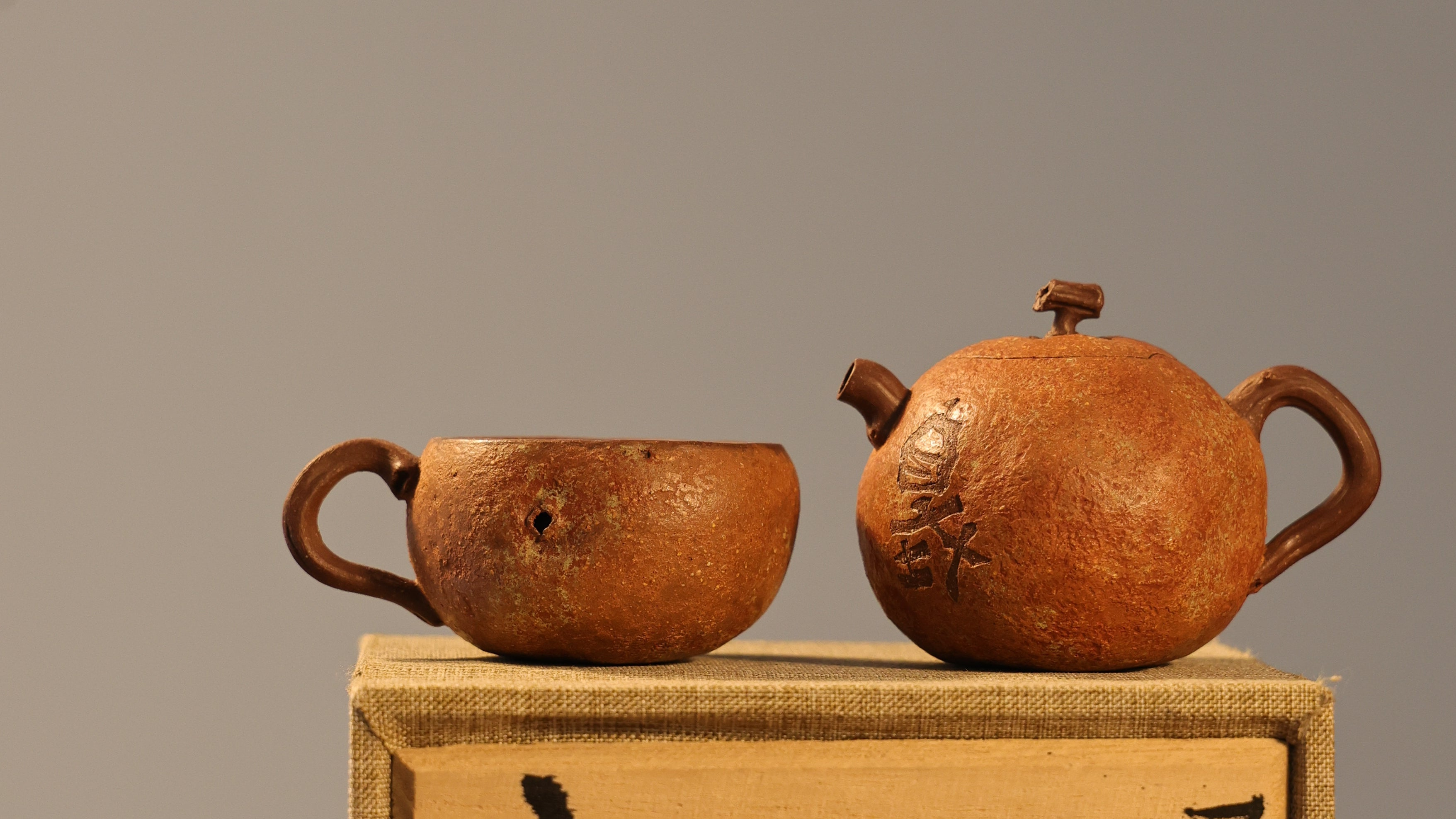
Throughout countless generational spans,
Following epochs, collectors have been ensnared by the extraordinary charm of Yixing Zisha pitchers. Originating from the realm of Yixing in the Chinese province, these implements are renowned for their preeminent beauty, extraordinary clay, and congenital ability to enhance the flavor of the brew. The earth's distinctive reddish-purple hue, combined with the talented construction of native craftsmen, creates pieces that are and functional creations and prized assets. Owning a Zisha teapot is more than just the purchase; it's experiencing a rich historical heritage.
Comprehending Yixing Teapots: History, Types, and Esteem
Yixing teapots symbolize a notable chronicle deeply intertwined with Chinese culture. Rooted in the Yixing region of Jiangsu province, these clay vessels contain a heritage going back to the Ming Dynasty. Original examples were functional, but during centuries, Yixing teapot making evolved into an esteemed art form. The clay itself, known for its unique feature and ability to modify the flavor of the tea, persists a defining factor. Yixing teapots arrive in various designs, broadly categorized by shape: Classic such as Zhuni (purple clay) and Bisheng, as well as custom designs. The esteem of a Yixing teapot varies on several factors, including the potter’s fame, the age of the piece, the rarity of the clay, and its aesthetic appeal.- Account: Ancient times
- Earth: Bisheng
- Value Factors: Potter’s reputation
Zisha Pot Creation: Strategies and Craftsmen
The assembly of a real Zisha teapot is a intricate process, requiring periods of experience. Seasoned artisans meticulously pick the excellent Zisha clay, a exclusive earth found only in specific regions of China. Time-honored techniques, often bequeathed through families, involve meticulous shaping, subtle carving, and deliberate firing in ancient furnaces. The end teapot isn't merely a receptacle; it's a testament to design vision and the intense connection between the potter and their ancestry. Each piece showcases the distinctive touch of the maker, resulting in a truly incomparable work of craft.
Ancient Pottery: Delving into the Deep Practices of the Yixing Region
Historic Yixing, situated in Jiangsu the area, is globally renowned for its exceptional ceramics – a tangible representation of centuries of Chinese creative legacy. These aren't merely vessels for making tea; they are intricate works of creativity, often reflecting cultural ideals. That unique purple clay, known as Zisha, possesses uncommon Yixing Teapot qualities: it is dense, ventilated, and imparts a subtle flavor to the tea.
- Countless bloodlines have honed the techniques of Yixing teapot making, passing down preserved methods through times.
- Collectors prize these pieces for their appearance and exceptionality.
- Each vessel tells a account, connecting the partaker to a rich legacy.
Considering Yixing Zisha: What to Look For
As looking into collecting Yixing Zisha earthenware, several aspects necessitate careful inspection. Preliminarily, the clay’s tone is vital; authentic Zisha ordinarily exhibits a identifiable brick undertone. Moreover, inspect the technique; distinct characteristics and a polished covering show adept craft. Concluding, consider the artist’s history; celebrated names bring elevated costs and often deliver a stronger return.
Mastering Tea Brewing Using a Zisha Pot
Making exquisite tea with a Zisha vessel is more than a simple process; it's an technique. Zisha clay, acclaimed for its unique chemical composition, imparts a soft character to the composed tea that’s often gone with other vessels. The proper water temperature is key; typically, subdued than what's used for black tea, to conserve the tea's bouquet and character. Consider attentively the tea variety; delicate green teas or aged pu-erhs advance from the Zisha’s ability to lessen their original edge. It’s vital to rinse the teapot before brewing, and to exclude over-steeping. Mastering this craft leads to a sincerely exceptional tea enjoyment.
- Understanding Zisha Clay
- Temperature Control & Tea Sort
- Role of Pre-treatment
Preserving Your Yixing Ceramic Pot
With the aim of guarantee the life of your beautiful Yixing clay pot, ongoing servicing is truly key. Abstain from using cleaning agents; instead, non-aggressively spray it with hot hydrous medium. Shun drastic variations; don't rest the kettle directly onto a glowing base. Periodically, condition the jar by infusing it with first-rate aged steep, as this aids to develop its essence and protects the singular qualities of the medium.
From Earth to Cup: The Course of a Classic Container
A creation of a Zisha teapot is a intriguing approach, a demonstration to both the planet's bounty and the expertise of the craftsman. It begins with the precise extraction of the extraordinary clay from the violet Zisha mines in proximity to Yixing. This prime material, known for its superior properties, is then patiently washed and configured for the initial forming. The jar’s figure is expertly made using a amalgamation of longstanding shaping procedures, often incorporating decorative designs. Following maturing, the urn undergoes a paramount first firing, succeeded by a finishing stage, which might involve a series of layers of pure Zisha slips. Finally, a second, and sometimes third, firing at extreme temperatures finalizes the product, revealing its finished beauty and exceptional characteristics - a genuine masterpiece, set to beautify a tea tradition.
{Yixing Teapots: A Exemplar of a Culture and Admiration
Renowned Yixing teapots, originating from the distinguished Yixing region of Jiangsu province, are far more than mere earthenware for brewing potions; they represent a weighty aspect of Chinese culture. Crafted from distinctive purple clay – zisha – these exceptional teapots are highly valued for their ability to complement the flavor of the tea and, crucially, for their artistic merit. The record of Yixing teapot making spans centuries, and the talent involved is bequeathed through generations, making each teapot a craftwork that embodies heritage-bound techniques and a profound appreciation for the elegant pleasures in life.