Throughout enduring chronicles,
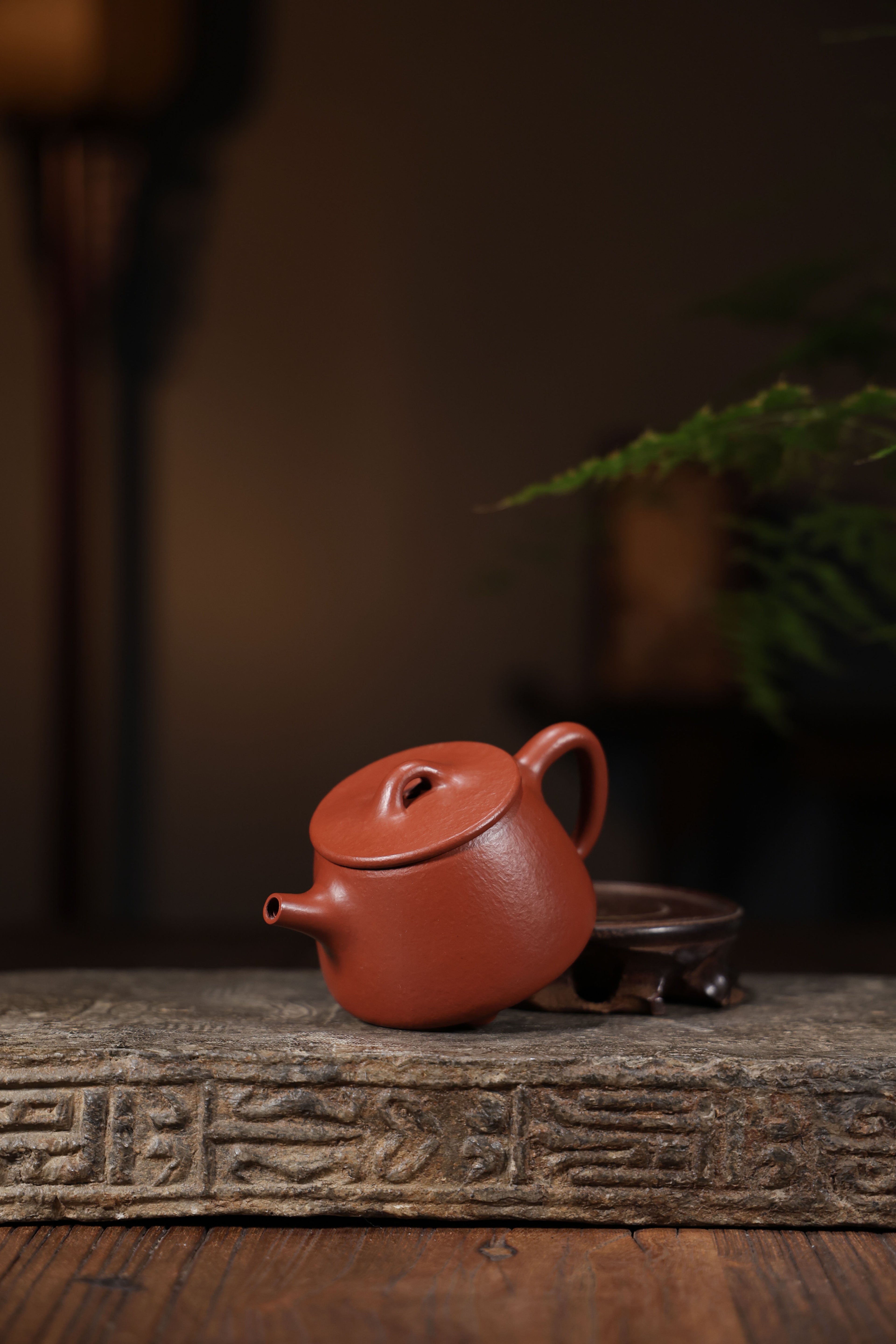
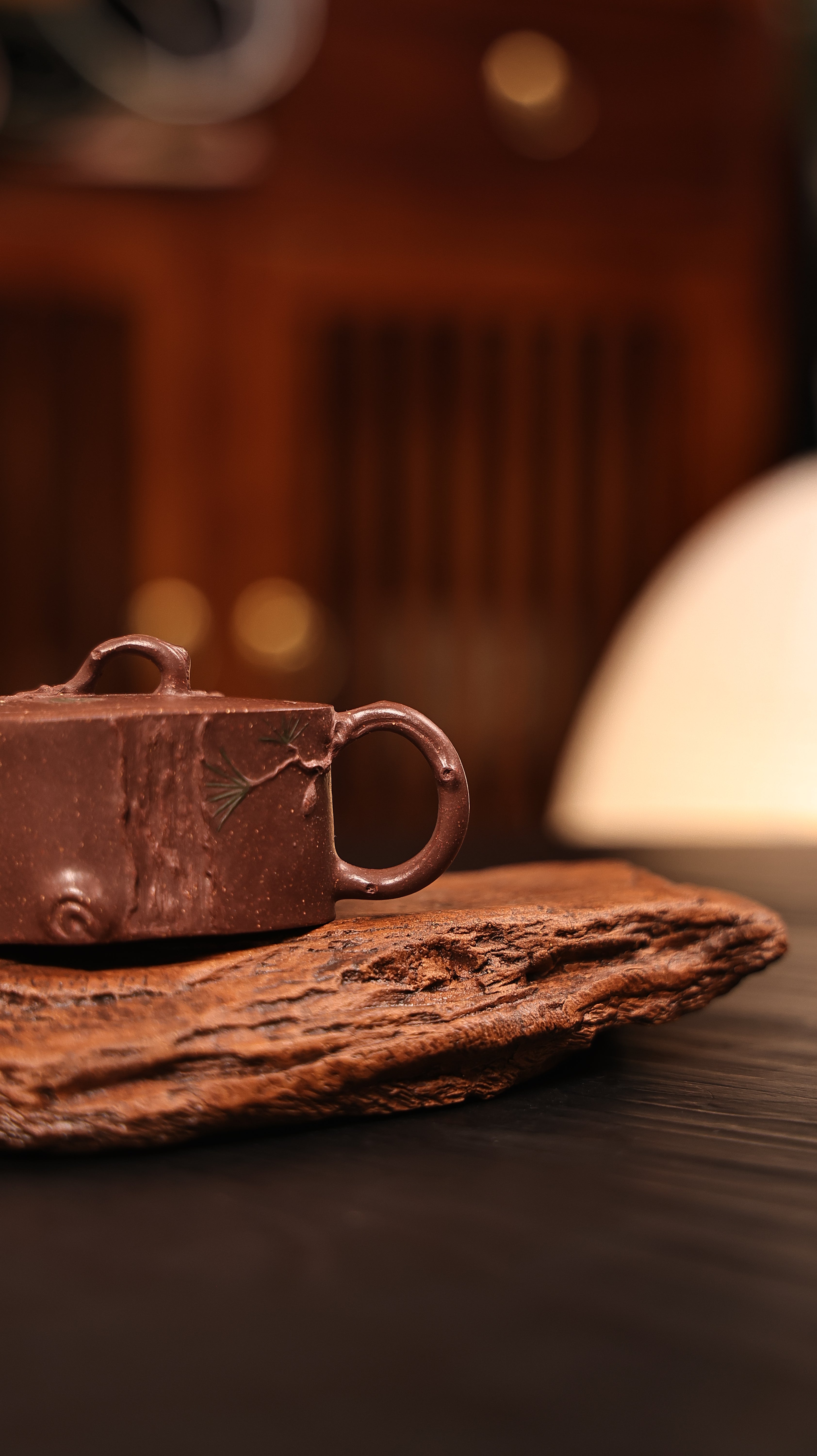
Across periods, aficionados have been fascinated by the rare charm of Yixing Zisha carafes. Originating from the realm of Yixing in the Chinese province, these artifacts are renowned for their distinguished beauty, exclusive clay, and fundamental ability to raise the palate of the concoction. The ground's distinctive auburn hue, combined with the proficient manufacture of territorial creators, creates creations that are equally functional crafts and cherished holdings. Collecting a Zisha teapot is more than just an purchase; it's experiencing a rich cultural heritage.
Understanding Yixing Teapots: Saga, Styles, and Price
The notable Yixing teapots constitute a fascinating tradition deeply intertwined with Chinese culture. Originating in the Yixing region of Jiangsu province, these clay vessels exhibit a heritage tracing back to the Ming Dynasty. Primary examples were functional, but during centuries, Yixing teapot craftsmanship evolved into an esteemed art form. The clay itself, known for its unique feature and ability to raise the flavor of the tea, endures a defining factor. Yixing teapots appear in various styles, broadly categorized by shape: Typical such as Zhuni (purple clay) and Bisheng, as well as distinct designs. The price of a Yixing teapot is on several factors, including the potter’s distinction, the age of the piece, the rarity of the clay, and its aesthetic charm.- Background: Ming Dynasty
- Element: Diverse kinds
- Appraisal Elements: Age
Art of Zisha Pottery: Skill and Makers
The fabrication of a superior Zisha teapot is a detailed process, requiring long spans of expertise. Veteran artisans meticulously choose the prime Zisha clay, a specialized earth found only in specific regions of China. Classic techniques, often conveyed through families, involve precise shaping, fine carving, and slow firing in ancient stoves. The finished teapot isn't merely a jar; it's a testament to creative vision and the serious connection between the artist and their inheritance. Each item showcases the singular touch of the maker, resulting in a truly matchless work of masterpiece.
Traditional Artefacts: Examining the Profound Heritage of Yixing Province
Yixing, placed in Jiangsu the jurisdiction, is internationally renowned for its exceptional cookware – a tangible representation of centuries of Chinese art. These aren't merely vessels for making tea; they are Chinese Teapot intricate works of creativity, often reflecting cultural ideals. This unique purple clay, known as Zisha, possesses singular qualities: it dense, open to air, and imparts a subtle nuance to the tea.
- Many clans have honed the techniques of Yixing urn making, passing down exclusive methods through ages.
- Connoisseurs prize these pieces for their attractiveness and rareness.
- Every container tells a account, connecting the partaker to a rich legacy.
Purchasing Yixing Zisha: Guiding Points
Upon studying investing in Yixing Zisha vessels, various considerations call for careful inspection. Preliminarily, the ingredient's color is crucial; authentic Zisha usually exhibits a characteristic earthy tinge. Additionally, investigate the skill; sharp characteristics and a polished coating reveal proficient production. To finish, examine the artisan's standing; well-known names garner elevated premiums and often guarantee a better investment.
Zisha Pot Techniques for Tea Brewing
Steeping tasty tea with a Zisha pot is more greater than a simple process; it's an technique. Zisha clay, acclaimed for its unique physical composition, imparts a refined character to the prepared tea that’s often absent with other devices. The appropriate water level is required; typically, milder than what's used for black tea, to protect the tea's essence and note. Consider attentively the tea type; delicate green teas or aged pu-erhs improve from the Zisha’s ability to ease their intrinsic edge. It’s important to heat the teapot earlier than brewing, and to exclude over-steeping. Mastering this procedure leads to a sincerely exceptional tea enjoyment.
- Recognizing Zisha Clay
- Temperature Control & Tea Selection
- Value of Warming Up
Enhancing Your Celebrated Vessel
To sustain the existence of your treasured Yixing container, regular management is truly key. Abstain from using detergent; instead, lightly purify it with lukewarm H2O. Prevent immediate changes; refrain lay the urn directly onto a scorching support. Periodically, prepare the container by immersing it with choice aged drink, as this contributes to boost its flavor and maintains the distinctive features of the clay.
About Element to Container: The Development of a Zisha Container
Such creation of a Zisha teapot is a notable technique, a evidence to both the earth's bounty and the craft of the specialist. It starts with the diligent extraction of the extraordinary clay from the violet Zisha mines adjacent to Yixing. This pristine material, known for its exceptional attributes, is then methodically clarified and ready for the preliminary forming. The urn’s form is adeptly built using a concoction of traditional shaping procedures, often incorporating decorative enhancements. Following curing, the container undergoes a decisive first firing, complemented by a layering stage, which might involve multiple layers of traditional Zisha layers. Finally, a second, and sometimes third, firing at strong temperatures solidifies the manufacture, revealing its resolved beauty and exceptional characteristics - a genuine masterpiece, prepared to enrich a tea event.
{Yixing Teapots: A Sign of the Legacy and Tribute
Legendary Yixing teapots, originating from the noted Yixing region of Jiangsu province, are far more than mere jars for brewing infusions; they represent a profound aspect of Chinese culture. Crafted from distinctive purple clay – zisha – these exceptional teapots are highly valued for their ability to improve the flavor of the tea and, crucially, for their aesthetic appeal. The legacy of Yixing teapot making spans centuries, and the skill involved is inherited through generations, making each teapot a artistic creation that embodies ancient techniques and a profound appreciation for the simple pleasures in life.