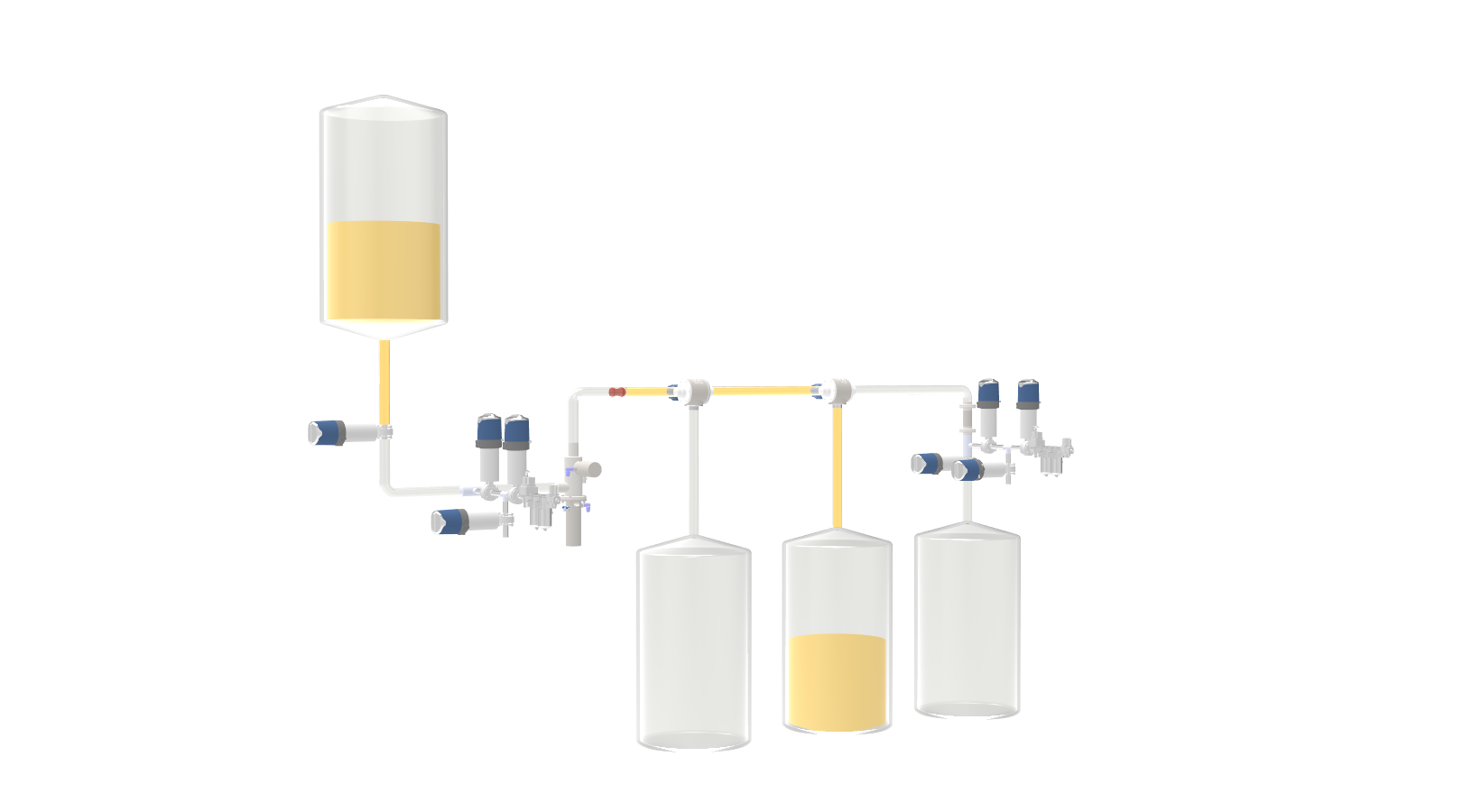
Elevating pipeline capacity depends on precise management of Pig pace.
Definite Network Pig Motion Steering: Focused Practical Guide
Ensuring ideal pig rate is essential for efficient pipeline inspection. Directing pig travel correctly involves a complete grasp of multiple factors, such as pigging system speed pipeline layout, pig design, and fluid specifications. This text describes functional strategies for modifying pig rate, addressing topics like start-up pressure, capture pressure, and the outcome of return pressure. In conclusion, steady pig speed direction leads to improved pipe integrity and curtailed functional costs.Parameters Shaping Pigging System Cadence
Numerous fundamental variables affect the cadence at which a pig advances through a network. Tension, both the leading and backward, is a substantial pressure; a higher pressure differential commonly results in a faster pigging rate. The diameter of the channel also plays a role, with larger diameters supporting for greater pig paces. Furthermore, the product's form, including its scope and contour, clearly influences its advancement. Finally, the level of scale and the unevenness of the pipe wall can produce inhibition, inhibiting pigging timing.
Maintaining Stable Pig Timing in Conduits
Certifying consistent fluid transit within pipeline structures is paramount for efficient yield. Several parameters influence component speed, including tube diameter, head, and component density. Routine checking of component speed and swift fine-tuning of dynamic parameters are needed to stop clumps and support optimal operation.
Steering Pig Timing: Major to Consistent Pipeline Sanitation
Competently handling scraper flow is decisively important for attaining a complete pipeline sanitation. High a velocity can weaken the network, while lethargic a flow may block washing away all obstructions. Therefore, scrupulous optimization of the cleaning device's moving speed is essential to for tube integrity and upkeep outcome.
The Impact of Pig Cadence on Pipeline Pigging Actions
Certain timing of the instrument significantly alters the capability of pipeline upkeep workflows. A decreased pace may enable for more complete debris removal, particularly in complex pipeline divisions, but can expand the overall assignment length and conceivably increase working disbursements. Conversely, a faster pace can hasten the pigging routine, contracting interval and outlay, however, it jeopardizes a limited cleaning and can maybe injure the conduit. Therefore, synchronizing equipment pace requires meticulous study of pipeline properties, material properties, and desired benefits.
Maintenance Setup Timing: Ideal Methods and Adjustments
Refining servicing system flow is essential for heightening effectiveness and reducing lags. Commonly, acceptable treatment velocity ranges extending over a range of scales per time unit, although this can vary depending on line bore, element nature, and equipment configuration. If subject to slow inspection flow, examine factors such as overwhelming impedance from encrustation, degraded unit elements, or bottlenecks within the conduit. Regular preservation, including pig check and dirt clearance, is critical to preserve steady handling rate and inclusive system soundness.
Acknowledging Pipeline Pig Speed and its Outcomes
One velocity at which a apparatus traverses a channel is a critical factor impacting productivity and reliability. A rapid transit can cause excessive rub, potentially leading to amplified consumption and even hasty impairment of the scraper itself, as well as the system. Conversely, tardy rate might cause deficient maintenance, protracted breaks, and a reduction in overall production. Therefore, deliberate calculation and uniform monitoring of pig cadence are compulsory for maximizing pipeline efficiency and safeguarding against costly breakdowns.
Innovative Systems for Pig Momentum Handling
Upgrading animal units flow during troughing presents a crucial challenge for current ranchers. Employing modern plans like immediate assessment of specific creature's intake and utilizing exact diet provision systems can notably curtail instances of overindulgence and augment overall cluster capability. Furthermore, blending activity tracking with ecosystem manipulation – such as calibrating climatic factors and luminosity – provides important data for fine-tuning stock timing methods and supporting a more even expansion segment.